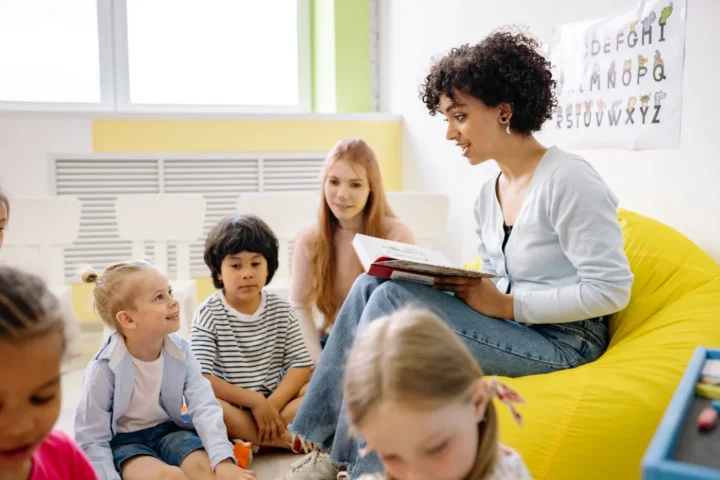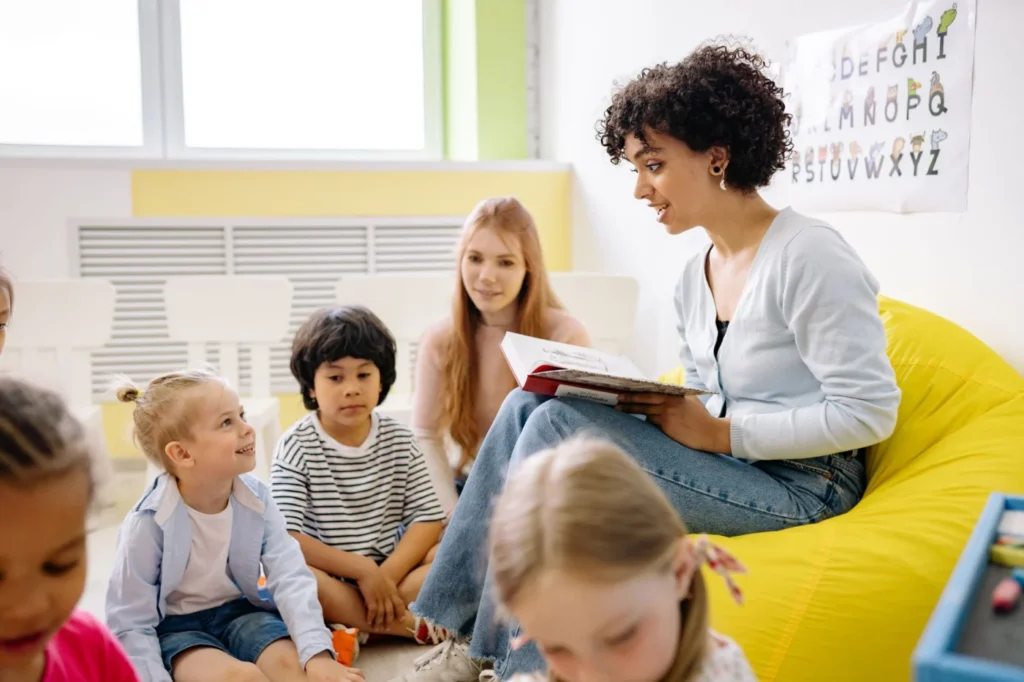
Why early childhood education matters is simple: young children learn through warm relationships, play, language, routines, movement, stories, and everyday exploration. That learning happens in preschool and childcare, but also at the kitchen table, in the car, during bath time, and while getting ready for bed.
If your child has ever asked “why?” repeatedly before breakfast, you have already seen early learning in action. The National Institute of Child Health and Human Development explains that children learn through interaction, curiosity, and responsive care.
This guide explains how early education supports language, social skills, problem-solving, emotional growth, movement, and school readiness. You’ll also find practical ways to support learning at home without expensive toys, flashcards, or a perfect schedule.
Editorial disclosure: Educators Support uses an automated research, drafting, and verification workflow. This article provides general educational information and does not imply human or clinical review.
Contents
What Early Childhood Education Means
Early childhood education is intentional, developmentally appropriate support for children’s learning from birth through about age 8. It can happen in homes, childcare, preschool, Head Start, kindergarten, libraries, community programs, and early elementary classrooms. Want the broader picture on child development milestones? Our child development milestones guide covers it end-to-end.
For a broader look at learning across settings, see our Education at Home and School guide.
The age range families usually mean
Many early childhood sources use birth through age 8 as the general range. The CDC’s child development resources also organize guidance around children’s growth over time.
- Babies learn through eye contact, back-and-forth sounds, movement, and responsive care.
- Toddlers name objects, copy routines, explore cause and effect, and practice independence.
- Preschoolers pretend, build, ask questions, tell stories, and test ideas.
- Children ages 6 to 8 strengthen reading, math, friendship, planning, and self-management skills.
Education and child development work together
Child development describes how children grow physically, socially, emotionally, and cognitively. Early childhood education is the support adults provide through relationships, play, routines, books, movement, conversation, and exploration.
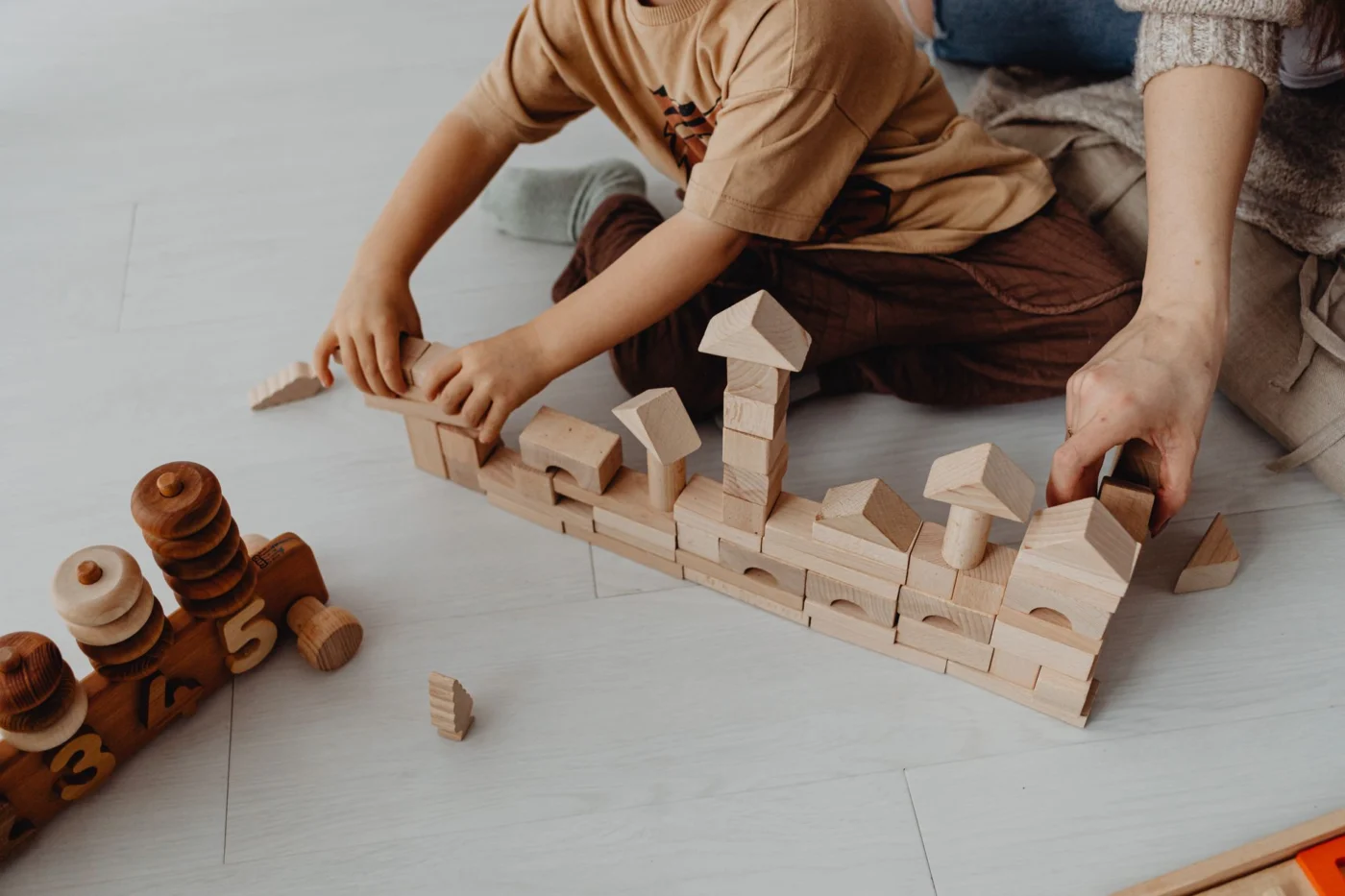
In real life, these areas overlap. A child building a tower may be using hand muscles, spatial reasoning, language, patience, and problem-solving all at once.
How Early Learning Builds a Strong Foundation
Relationships shape learning
The Harvard Center on the Developing Child describes brain architecture as a foundation built by early experiences. In plain language, caring back-and-forth moments help children feel safe enough to explore, communicate, and try again.
One helpful idea is “serve and return.” A child points, babbles, asks, reaches, or shows interest, and an adult responds. This can happen during diaper changes, grocery lines, school drop-off, bedtime stories, or car rides.
School readiness is more than letters
Early childhood education and school readiness are not just about the alphabet, numbers, or sitting still. Strong early programs and responsive homes help children practice attention, curiosity, independence, communication, cooperation, and managing feelings.
Think of everyday examples: naming vegetables at dinner, taking turns with a board game, counting socks, retelling a story in the car, or using calm-down breathing after a sibling conflict. These small routines give children repeated chances to practice skills they will keep building later.
Readiness varies by child and community, so avoid harsh comparisons. For age-by-age context, visit our child development guide.
Skills Children Practice in the Early Years
Five benefits families can see
Parents often ask what early education actually helps with. In everyday terms, the major benefits include:
- Language and literacy: vocabulary, listening, storytelling, print awareness, and shared reading.
- Thinking and early math: sorting, comparing, counting, patterns, “why?” questions, and simple problem-solving.
- Social-emotional growth: sharing, waiting, naming feelings, repairing mistakes, and handling frustration.
- Motor development: climbing, balancing, cutting, drawing, building, dancing, and using utensils.
- Confidence with routines: independence, curiosity, persistence, and comfort with group learning.
Seven development domains in plain English
Educators often talk about seven domains: physical, social, emotional, language and literacy, cognitive, approaches to learning or executive function, and creative development. The Harvard Center on the Developing Child explains executive function as skills that help children remember information, manage impulses, and shift attention.
Simple activities can support several domains at once. Scribbling strengthens hands and expression. Pretend restaurant builds language and social skills. Puzzles support spatial thinking. Clean-up routines build planning and attention.
Quick Reference
Developmental milestones are guideposts, not a race. A toddler may add more snack words, a preschooler may negotiate pretend-play roles, and a first grader may follow a two-step direction. The CDC Developmental Milestones offer age-based context.
If you have ongoing concerns about speech, movement, behavior, hearing, vision, safety, or emotional regulation, talk with a pediatrician, teacher, early intervention program, licensed therapist, or another qualified professional.
How to Support Learning at Home
Early learning at home works best when it feels like connection, not pressure. Use short, repeatable moments and let your child’s age, energy, and interests guide you.
Step 1: Talk, sing, and read daily
Try 10-minute pockets instead of perfect lessons. Label body parts at bath time, sing clean-up songs, read board books, and ask what happened first, next, and last.
When your child starts connecting spoken sounds with print, use short, playful phonics activities for early readers alongside read-alouds.
Step 2: Turn play into learning
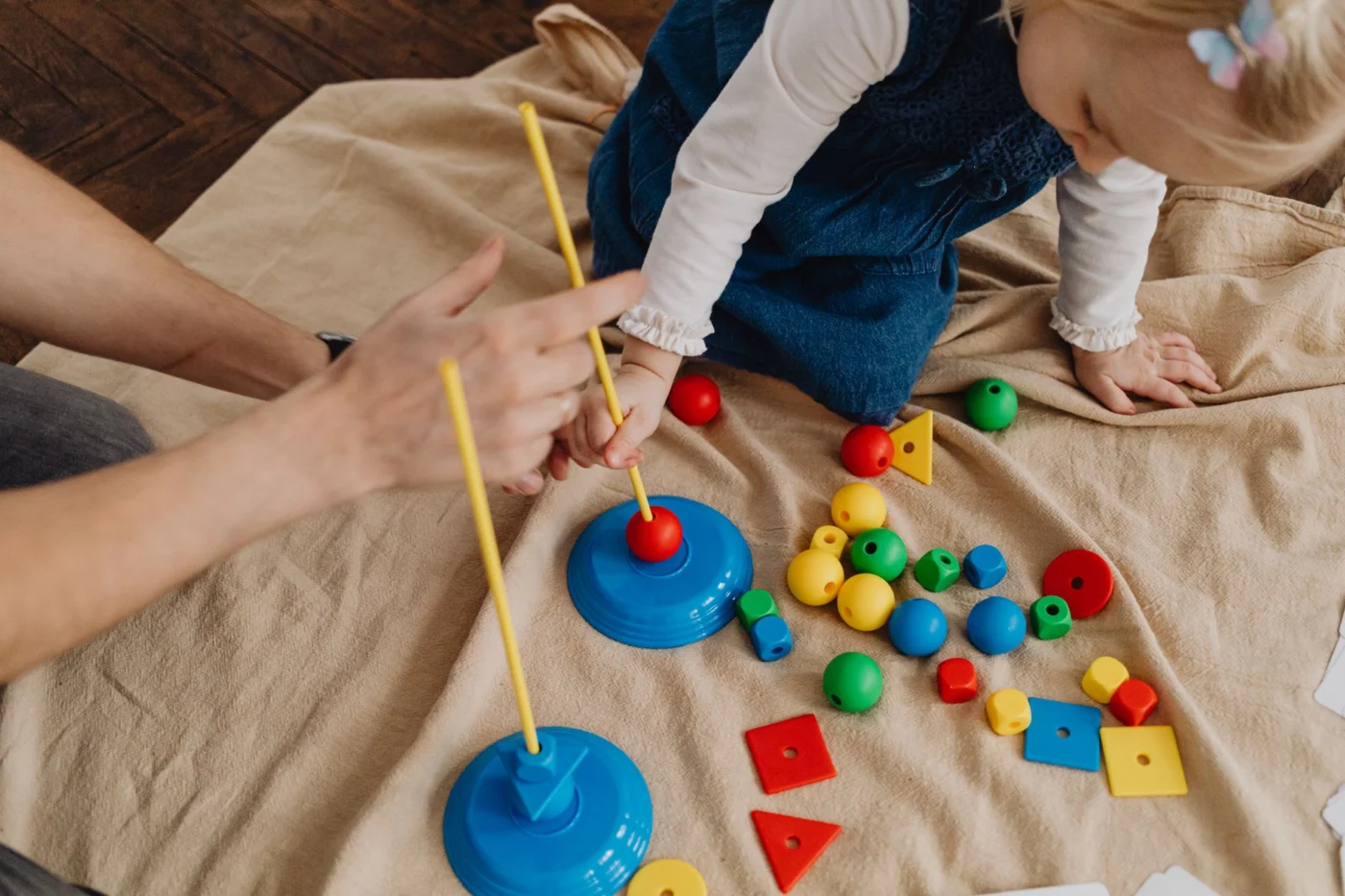
Use blocks for balance words, boxes for building, pretend stores for counting, and play dough for hand strength. If your child is deeply focused, narrate and extend instead of quizzing.
Step 3: Add math to routines
Count apples, socks, crackers, or steps. Compare measuring cups with water, sort spoons and forks, and use words like more, less, same, bigger, under, before, and after.
Step 4: Coach feelings and routines
Name feelings and offer simple choices: “You wanted the red cup. That’s disappointing. Blue or green?” Predictable routines build confidence without over-scheduling.
For more simple ideas, start with our learning activities guide.
Common Mistakes to Avoid
Loving adults can slip into pressure mode, especially when school readiness feels urgent. Worksheets and apps are not automatically bad, but they can crowd out conversation, movement, chores, outdoor time, and learning through play.
- Read aloud, even briefly.
- Get outside when possible.
- Narrate play instead of constantly testing.
- Let children sort socks, stir batter, wipe tables, and help with safe everyday tasks.
- Protect downtime so children have space to imagine and practice independence.
When extra support may help
Children develop at different rates. Still, ongoing concerns about speech, movement, behavior, emotional regulation, hearing, vision, safety, or milestones deserve guidance, not panic or dismissal. Use the CDC’s Learn the Signs. Act Early. resources, then contact a pediatrician, early intervention program, licensed therapist, qualified educator, or school support team.
Frequently Asked Questions
What does early childhood education mean?
It means developmentally appropriate support for children’s learning from birth through about age 8. That support can happen at home, in childcare, preschool, kindergarten, early elementary classrooms, libraries, and community programs.
What age is early childhood education for?
Many educators use birth through age 8 as the general range. The support looks different by age: a baby may learn through face-to-face talk, while a 7-year-old may need hands-on math, stories, friendship practice, and problem-solving routines.
Why is play important in early childhood education?
Play lets young children practice language, imagination, planning, movement, turn-taking, and problem-solving without feeling tested. Adults can help by adding words, offering simple materials, and gently stretching the child’s idea without taking over.
How can parents support early learning at home?
Start small: read one book, count socks while folding laundry, sing in the car, talk during meals, encourage climbing or dancing, and name feelings during hard moments. Small, steady routines are often more realistic than complicated plans.
One Small Routine Can Start the Learning
Young children learn through warm relationships, playful practice, predictable routines, and real conversation. Reading together, naming feelings, counting socks, building with blocks, and giving children time to try things independently all support early skills.
If you feel like you have not done “enough,” take a breath. You do not need a perfect learning corner, expensive toys, or a packed schedule. Choose one small habit to try this week, keep it playful, and build from there.