

If you’re wondering what are the benefits of reading aloud to a toddler every day, the short answer is this: it gives your child rich language exposure, supports vocabulary and early speech, builds closeness, and helps them practice listening, attention, and calm. For many families, the benefits of reading aloud to toddlers also show up in the most ordinary moments — a smoother bedtime, fewer power struggles around transitions, and one reliable pocket of connection in a busy day.
And yes, this matters even if your toddler won’t sit still. Maybe your 2-year-old flips pages too fast, wanders off after one sentence, or wants the same truck book 14 times in a row. Sound familiar? Research on early shared reading, including PubMed-indexed research on parent-child reading and early language development, suggests those small, repeated read-aloud moments can still support development in meaningful ways.
In this article, you’ll get a clear answer to what are the benefits of reading aloud for ages 1 to 3 — not just “reading is good,” but how it can help with expressive language, receptive vocabulary, attention, emotional regulation, bonding, bedtime routines, and early school readiness. I’ll also cover how to read aloud to a restless toddler, what daily reading can realistically look like, and why ages 1 to 3 are such an important window in the child development guide stage.
Editorial disclosure: Educators Support uses an automated research, drafting, and verification workflow. This article provides general educational information and does not imply human or clinical review.
📑 Table of Contents
What are the benefits of reading aloud?
Now that we’ve covered why this habit matters, here’s the practical answer. If you’re wondering what are the benefits of reading aloud, the biggest ones are simple: toddlers hear more words, connect language to pictures and daily life, and get warm one-on-one attention with you. Want the broader picture on teaching and education resources? Our teaching and education resources guide covers it end-to-end.
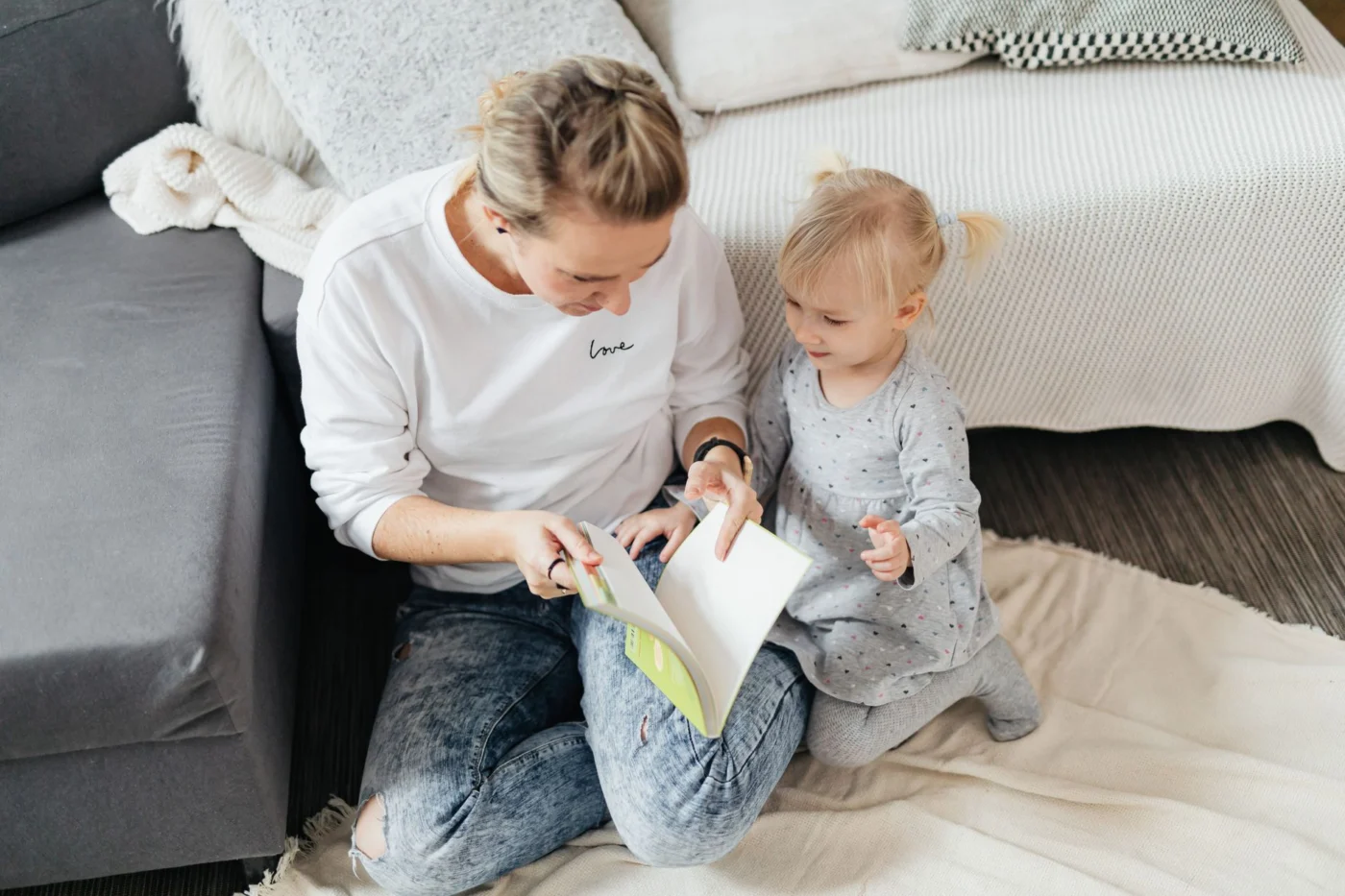
This guide draws on child-development research and established expert guidance; it does not provide medical or psychological advice. If you want broader support beyond reading routines, our evidence-based parenting guide and child development guide can help you see the bigger picture for ages 1 to 3.
Quick answer for busy parents
Reading aloud to toddlers supports language, early literacy, attention, bonding, and emotional regulation. It can also make bedtime smoother, give your child repeated chances to hear and use words, and offer a relationship-rich alternative to passive screen use.
And no, an early reader at age 3 isn’t automatically “gifted.” Toddlers develop at different rates, and shared reading helps all kinds of kids.
8 toddler benefits that matter most
- Receptive vocabulary grows. Toddlers hear words they may not hear during errands or cleanup—like “enormous,” “tiptoe,” or “frustrated.”
- Expressive language gets support. Does reading aloud help toddler speech? It can support speech and language development by giving repeated models for naming, imitating, and combining words, but it’s not a treatment.
- Listening improves. Short, familiar books help toddlers focus a little longer and predict what comes next.
- Early literacy foundations build. They learn how to hold books, turn pages, notice print, and hear rhyme and rhythm.
- Bonding gets stronger. Lap reading, pointing, eye contact, and shared laughter all matter.
- Feelings get named. Books can help with bedtime, daycare drop-off, or after-meltdown recovery.
- School readiness grows. Think vocabulary, story understanding, following directions, and back-and-forth talk—not academic pressure.
- It’s more interactive than passive screens. Reading aloud vs screen time for toddlers isn’t a moral contest; the difference is conversation, touch, and response.
What the research suggests
The American Academy of Pediatrics recommends reading together from infancy because shared reading supports language, literacy, and relationship-building. HealthyChildren.org, Zero to Three, the Harvard Center on the Developing Child, and CDC developmental milestones all point in a similar direction: young children learn best through warm, responsive interaction.
Speaking of which — the Harvard Center on the Developing Child explains that back-and-forth interaction helps build early brain architecture. That’s a big reason the science backed benefits of reading aloud to toddlers go beyond “learning words.”
When a child begins noticing letters and sounds, playful phonics for early readers can build on shared reading without turning every book into a test.
What reading can and can’t do
What are the benefits of reading aloud to toddlers ages 1 to 3? Plenty. But reading can’t diagnose or treat speech, hearing, developmental, sleep, or behavior concerns.
Next, let’s make this easier in real life—especially if your toddler is busy, wiggly, or only lasts two pages.
How to make read-alouds work every day
So now that we’ve covered what are the benefits of reading aloud, the practical question is: how do you actually do it with a real toddler? For ages 1 to 3, short, playful reading fits development best, and our child development guide can help you match expectations to your child’s stage.
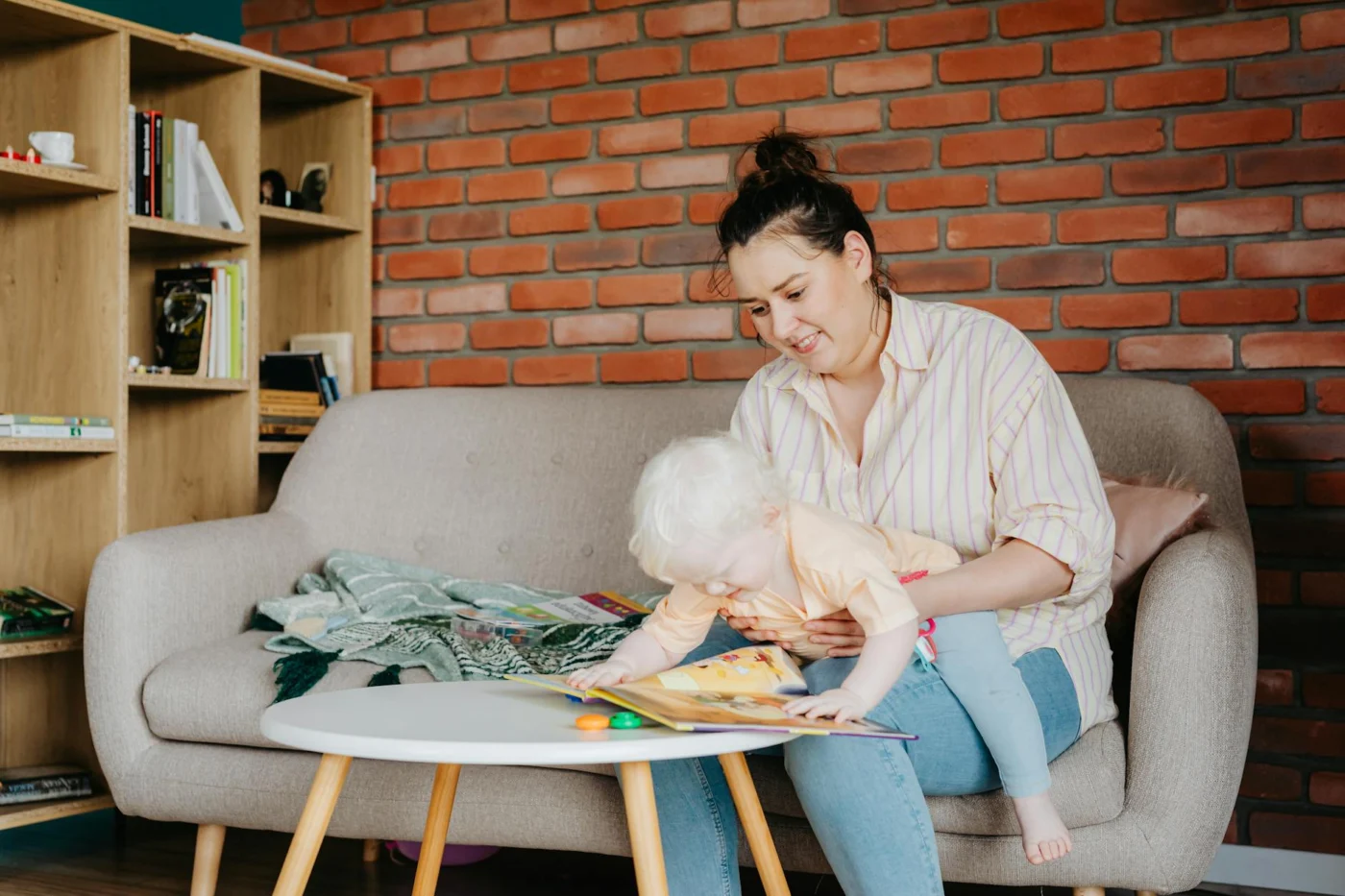
A simple step-by-step for restless toddlers
How to read aloud to a restless toddler
- Step 1: Choose a short, sturdy board book with clear pictures.
- Step 2: Let your toddler hold the book, stand, wiggle, or turn pages.
- Step 3: Point and label: “Dog. Big dog.” Then pause for a one-word response.
- Step 4: Add sound effects, gestures, and simple questions. That’s interactive reading and early dialogic reading in real life.
- Step 5: Follow your child’s interest. If they want the truck page five times, stay there.
- Step 6: Stop before frustration spikes, and reread favorites often.
Toddlers don’t need to sit still for the whole book. Page flipping, wandering off, and coming back still count.
Practical example: what daily really looks like
Daily is ideal, but even 5 to 10 minutes most days can help. One short book after breakfast counts. One in the car line counts. Reading the same book all week? That counts too.
Best books by age and stage
- Younger toddlers often love naming books, real-life pictures, flaps, and sturdy pages.
- Many 2-year-olds enjoy rhyme, repetition, animals, vehicles, and family routines.
- Older 3-year-olds may like simple stories, repeated refrains, feelings books, and bedtime themes.
The best books to read aloud to toddlers usually have predictable text and room for participation, which supports early story comprehension and book handling skills.
Common mistakes to avoid
A few things make shared reading harder: reading too long, quizzing too much, forcing stillness, picking fragile or text-heavy books, or waiting until your child is overtired at bedtime. And if you’re wondering what are the benefits of reading aloud when it feels messy, here’s what helps me remember: consistency matters more than perfection.
📋 Quick Reference
Try 1 to 2 short books, 5 to 10 minutes, around the same time each day. Repeat favorites, keep it interactive, and stop while it’s still pleasant.
Shared reading isn’t a test of good parenting. It’s one small daily habit that can support language and connection over time. Next, let’s wrap up with the biggest questions parents still ask.
Frequently Asked Questions
Does reading aloud help toddler speech development?
Yes—does reading aloud help toddler speech? It often can. Shared reading gives toddlers repeated exposure to words, sounds, rhythm, and the kind of back-and-forth conversation that helps language grow, which is one reason many parents asking what are the benefits of reading aloud notice gains in vocabulary and imitation over time. But it doesn’t diagnose or treat speech delays, so if your child isn’t meeting communication milestones or you’ve got a persistent concern, it’s a good idea to talk with your pediatrician or a speech-language pathologist; our child development guide can also help you understand the bigger picture.
How often should you read to a toddler?
If you’re wondering how often should you read to a toddler, daily is ideal, but even 5-10 minutes most days can make a real difference. Think consistency over perfection: one short book after breakfast, a story in the carpool line, or two pages before bed all count. For many families, little routine moments work better than waiting for the “perfect” quiet time.
Is reading aloud better than screen time for toddlers?
When parents ask is reading aloud better than screen time for toddlers, the biggest difference is interaction. Reading aloud usually includes eye contact, turn-taking, pointing, questions, and responsive language, while passive screen use often doesn’t offer the same back-and-forth experience; the AAP’s 2026 guidance on children and media use can help families think through age-based balance without panic. So, what are the benefits of reading aloud here? More connection, more conversation, and more chances for your toddler to join in.
What books are best for reading aloud to toddlers?
If you’re asking what books are best for reading aloud to toddlers, start with books that are short, sturdy, and easy to join. Good picks usually include: board books, rhyme, repetition, simple pictures, predictable text, flaps, and durable pages. Toddlers also love books tied to real life—animals, trucks, bedtime, feelings, food, family routines—because familiar topics give them more to point at, name, and remember.
How do you read to a toddler who will not sit still?
If you’re stuck on how do you read to a toddler who will not sit still, here’s the reassuring part: they don’t have to sit still to listen. Many toddlers take in a story while standing, rolling a car, holding a stuffed animal, or wandering a few feet away, so try interactive reading, very short books, favorite repeats, and stopping before frustration builds. But wait—movement isn’t failure; at this age, a wiggly listener is often still learning.
Conclusion
If you’ve been wondering what are the benefits of reading aloud, here’s the short version: daily read-alouds build language, strengthen attention, grow early literacy skills, and give your toddler a steady dose of connection. And the most useful part? It doesn’t have to be long or fancy. Ten minutes counts. Re-reading the same book counts. Letting your toddler point, wiggle, interrupt, and turn pages counts too. Three things matter most: a simple routine, warm interaction, and books your child actually enjoys.
So here’s the deal. You do not need a perfect reading corner, a long attention span, or a child who sits still from page one to page ten. You just need a small, repeatable moment — after breakfast, before nap, at bedtime, or while waiting for dinner to cook. For many families, some days will feel sweet and calm, and some will feel gloriously chaotic. Both still “count.” The goal isn’t performance. It’s practice, closeness, and giving your toddler the message that books are part of everyday life.
Ready to keep going? Explore more practical support on EducatorsSupport.com, including ideas in our Child Development hub and Parenting hub. If you want next-step help, you might also like How to Build a Simple Bedtime Routine for Toddlers and Best Language-Building Activities for Toddlers at Home. Start with one book today, keep it simple tomorrow, and let that small daily habit do the quiet, powerful work over time.


