If your child knows the alphabet song but still can’t read sat or map, take a breath. The difference between phonics vs phonemic awareness is often the missing piece: one skill is about hearing sounds in spoken words, and the other is about connecting those sounds to letters.
A child may recognize every letter on the fridge and still struggle to blend /m/ /a/ /t/ into mat. Early reading asks the brain to coordinate sound, print, and meaning. National Academies Press research on preventing reading difficulties, available through NCBI, explains why both sound awareness and direct letter-sound teaching matter.
Editorial disclosure: Educators Support uses an automated research, drafting, and verification workflow. This article provides general educational information and does not imply human or clinical review.
Contents
Phonics and Phonemic Awareness: What’s the Difference?
Phonemic awareness happens with ears only. It means noticing and working with the smallest sounds in spoken words. If a child can hear that sun has /s/ /u/ /n/, blend /m/ /a/ /t/ into mat, or say the first sound in moon, that is sound awareness.
Phonics adds print. The child learns that the letter m stands for /m/, that s-a-t can be blended into sat, and that letter groups such as sh can stand for one sound.
Sounds-only practice
For preschoolers, keep sound work oral and playful: rhyming, clapping syllables, beginning-sound hunts, blending, and segmenting. Say clean sounds—/m/, not muh; /b/, not buh; /t/, not tuh.
- What sound starts moon?
- Can you blend /s/ /u/ /n/?
- What sounds do you hear in pin?
Letters join the sounds
Once a child can hear some sounds, letters become useful tools. The National Reading Panel found support for explicit phonemic awareness and phonics instruction as part of early reading instruction.
When to Start and What to Teach Next
Think readiness, not a race. The National Institute of Child Health and Human Development describes reading as speech sounds, print, and meaning working together, so children need language-rich experiences as well as direct instruction.
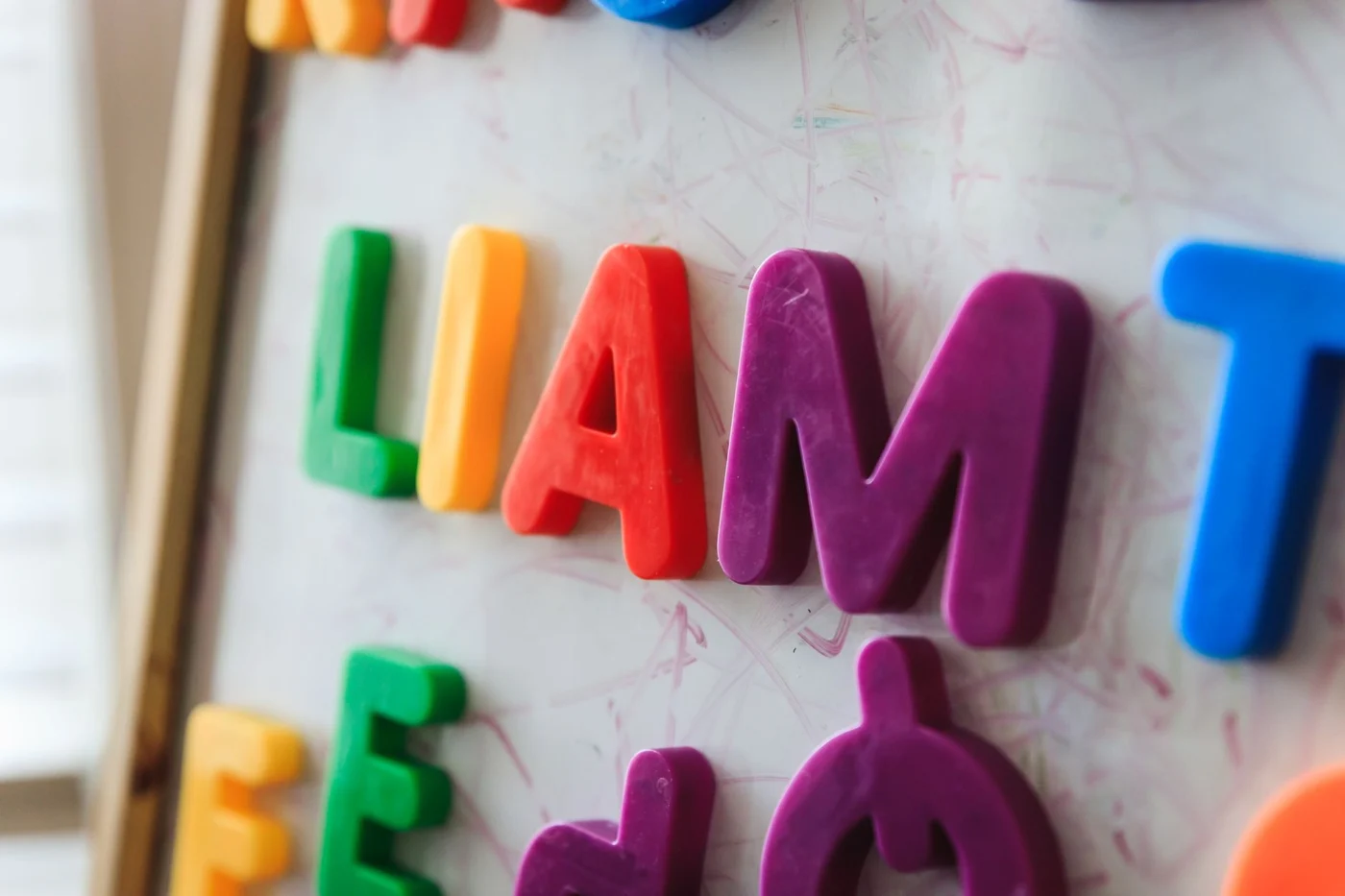
Ages 3–4: playful listening
Use songs, rhymes, name claps, story time, silly sound swaps, and quick games such as “find something that starts with /m/.” Formal worksheets usually help less than conversation, read-alouds, singing, and play. If you want the bigger foundation, here is why early childhood education matters.
Ages 5–6: letter sounds and CVC words
Many kindergarten beginners are ready for a small set of useful consonants and short vowels. Try sounds such as /m/, /s/, /t/, /p/, short /a/, and short /i/, then build real words: mat, sat, sit, sip, pin.
Age 7+: patterns and support
Older beginners may work on digraphs such as sh and ch, blends such as stop, long vowels such as cake, vowel teams such as rain, r-controlled vowels such as bird, and multisyllable words. If reading is avoided, guessed heavily, or patterns do not stick after review, ask school about structured support. Older beginners are not lazy.
Quick Reference
- Ages 3–4: oral sound play, rhymes, songs, and read-alouds.
- Ages 5–6: letter sounds, CVC words, spelling, and short decodable books.
- Age 7+: advanced patterns, fluency practice, and support when needed.
- Any age: short, consistent review beats one perfect sequence.
Teach Phonics Step by Step
The simple order is: hear the sound, say the sound, map it to print, then read and spell it in words. Reading Rockets’ phonics and decoding resources are parent-friendly, and the Institute of Education Sciences foundational reading practice guide supports explicit, step-by-step teaching.
Beginner teaching order
- Play oral sound games: blend /s/ /u/ /n/ into sun.
- Teach a few sounds: start with 3–5 useful sounds, not the whole alphabet.
- Blend CVC words: use taps, counters, or magnetic letters for mat, sat, sit, sip.
- Segment for spelling: say each sound, then choose the matching letters.
- Add patterns gradually: teach digraphs, blends, long vowels, vowel teams, and syllables after the base is secure.
- Read decodable books: choose books that use patterns the child has already learned.
A 10-minute daily routine
- 2 minutes: oral blending, beginning sounds, or review cards.
- 3 minutes: build and blend 3–5 words.
- 3 minutes: read one decodable page.
- 2 minutes: praise effort, reread one tricky word, and stop.
Tiny corrections that help
If your child says /m/ /a/ /t/ but guesses map, try: “Touch each sound again. What changed at the end?” If extra vowel sounds creep in, model clean sounds gently: “Try that one again with me: /m/.”
Make Practice Playful Without Turning It Into Guessing
Short, active practice usually works better than long drills. Aim for “hear it, say it, map it,” then let the child read aloud so you can hear whether blending is actually happening.
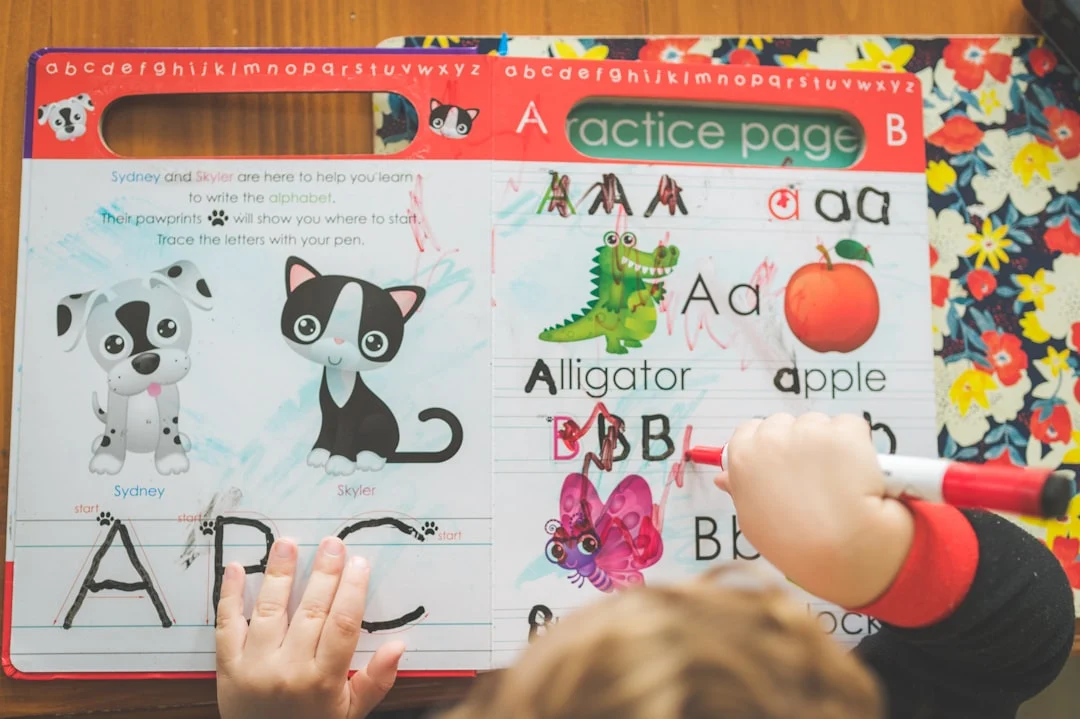
Five low-prep games
- Sound hunt: Find three /s/ things at breakfast or in class.
- Hop and blend: Hop /m/ /a/ /t/, then say mat.
- Build-a-word: Change sat to mat to map.
- Word family sort: Sort cat, mat, sat, hat; contrast pin, win, fin.
- Read it, tap it, write it: Read the word, tap the sounds, then write the letters.
Worksheets, apps, and books
Worksheets can help after one clear skill has been taught, such as matching a sound to a letter, reading decodable words, or sorting word families. Avoid pages that become tracing-only busywork. The best apps and books teach one pattern at a time, require blending, review often, and let an adult hear the child read aloud. Commercial programs may be useful for practice, but they are not a substitute for assessment or individualized support when a reading disability is suspected.
For more hands-on ideas, browse our learning activities section.
Mistakes to Avoid and When to Get Help
A few well-meant habits can slow early reading progress. Letter names matter, but they do not automatically teach decoding. Avoid racing through letter sounds A to Z before a child can blend a small set into real words.
- Don’t push long drills when a child is tired, hungry, embarrassed, or dysregulated.
- Don’t correct every error in a tense voice; model it, retry once, and move on.
- Don’t make reading practice a punishment or a character test.
- Don’t use picture guessing or sight-word memorization as a replacement for decoding when the child knows usable sound patterns.
Attention and learning differences
For children who wiggle, fade, or shut down, shorten the task. Try movement breaks, multisensory letters, fewer words, predictable routines, and immediate feedback. These ADHD support strategies can help with attention and routines, even when there is no diagnosis.
Ask for extra support when needed
Persistent trouble with early reading skills is not a parenting failure. Ask a teacher, reading specialist, speech-language pathologist, pediatrician, or qualified professional if your child struggles to hear sounds, remember letter-sound links, blend taught CVC words, avoids reading intensely, has speech-language or hearing concerns, or has a family history of dyslexia.
This article is educational and is not medical, psychological, speech-language, legal, or diagnostic advice. If you have concerns about reading, speech, hearing, development, dyslexia, or attention, seek guidance from a qualified professional.
Frequently Asked Questions
What is phonics for kids in simple words?
Phonics is the way children learn that letters and letter groups stand for sounds in spoken words. For example, m-a-t matches /m/ /a/ /t/. When a child blends those sounds together, they read mat.
What is the difference between phonics and phonemic awareness?
Phonemic awareness is sound work without print, such as hearing that cat has /c/ /a/ /t/. Phonics connects those sounds to letters, so the child learns that /c/ /a/ /t/ matches c-a-t.
How do I teach my child phonics at home without pressure?
Start tiny. Five to ten minutes is plenty for many young learners. Use sound games, magnetic letters, and very short decodable reading. Repeat a small set of sounds, praise effort, and stop before frustration builds.
What age should kids start phonics?
Many children begin playful sound awareness around ages 3–4, then move into more formal letter-sound work around ages 5–6. Readiness varies. Read-alouds, songs, rhyming, and conversation still matter before and during instruction.
What are the basic phonics sounds for beginners?
Useful early sounds include common consonants and short vowels that build real words. Try /m/, /s/, /t/, /p/, short /a/, and short /i/, then practice mat, sat, sit, sip, and pin.
How do you teach phonics for kindergarten beginners?
Use a clear routine: quick review, explicit teaching, blending, segmenting, spelling, and a short decodable book using patterns the child already knows. Keep lessons brief and active.
Does Hooked on Phonics work for kids with dyslexia?
Some families may find commercial phonics programs useful for extra practice, but no program should be treated as dyslexia treatment without professional guidance. If dyslexia is suspected, ask about assessment and evidence-aligned reading support.
Build Reading With One Small Routine Today
Start with the sound-to-print pathway: children first need to hear and play with sounds, then connect those sounds to letters. Keep practice short, teach one pattern at a time, use decodable books, and ask for help if progress stalls.
If you feel behind, choose one sound, one word, and one five-minute practice today. Clap syllables in the car, stretch sounds at breakfast, or build mat with magnetic letters. Small, repeated moments count—and playful practice is real learning.