

Developmental milestones are skills many children tend to reach within a general age range across physical, cognitive, language, social-emotional, and adaptive development. If you’ve been wondering what are physical development milestones, the short answer is this: they’re the movement and body-control skills kids usually build over time, like lifting the head, sitting, walking, jumping, and using hands with more control. And because milestones matter most as patterns, not labels, this guide will also help you see how physical growth fits alongside communication, play, learning, and daily life skills.
Maybe you’re a parent Googling at 11 p.m. because your toddler still isn’t jumping with both feet. Or you’re a teacher noticing one child avoids crayons, stairs, or playground games and wondering, Is this within the usual range? According to the CDC’s developmental milestones guidance, milestones are meant to help adults notice progress and spot concerns early — not compare children like report cards.
So here’s the deal. In this article, you’ll get a clear, scan-friendly look at what are physical development milestones and other key skills from birth through age 5, plus school-age checkpoints that parents and teachers often want in one place. This guide includes an age-by-age chart, common warning signs, what to record, and when to discuss a pattern with a pediatrician, early-intervention program, or school team. If you want a deeper look at warning signs, this developmental red flags guide is a helpful companion.
Editorial disclosure: Educators Support uses an automated research, drafting, and verification workflow. This article provides general educational information and does not imply human or clinical review.
📑 Table of Contents
- What milestones really mean
- How to use milestones without panic
- Child development milestones by age
- Red flags and common mistakes
- What to do next at home and school
- Frequently Asked Questions
- What are child development milestones?
- What are physical development milestones?
- What are the major child development milestones by age?
- What happens if a child does not meet developmental milestones?
- What are the warning signs of developmental delay?
- What are the red flags for a 9-month-old baby?
- How can parents and teachers remember child development milestones more easily?
- Conclusion
What milestones really mean
Now that we’ve defined the big picture, here’s the plain-language version: developmental milestones are skills many children tend to reach within a general age range across physical, language, cognitive, social-emotional, and adaptive or self-help development. If you’ve wondered what are physical development milestones, they’re the movement and body-control skills that grow over time, from rolling and sitting to walking, jumping, grasping, drawing, buttoning, balance, strength, and coordination. Want the broader picture on child development milestones? Our child development milestones guide covers it end-to-end.
That makes milestones useful for noticing patterns, not grading your child. And if you’re already worrying, take a breath — one missed item doesn’t equal a diagnosis, though patterns, regression, or several missed skills are worth discussing and comparing with a developmental red flags guide.
The five areas to know
Child development experts usually group developmental milestones into five domains:
- Physical: climbs stairs, runs, stacks blocks, uses fingers with more control
- Language/communication: uses two-word phrases, follows simple directions
- Cognitive: sorts shapes, solves simple problems in play
- Social-emotional: takes turns with help, shows comfort-seeking or pretend play
- Adaptive/self-help: uses a spoon, washes hands, starts dressing
Parents often notice feeding, sleep, dressing, and play first. Teachers may spot peer skills, attention, and classroom routines sooner. Trusted guides from CDC developmental milestones and Harvard’s Center on the Developing Child can help you see the full picture. Daily routines matter too, including sleep, play, and even the effects of screen time on movement and interaction.
Why ranges matter more than exact dates
Here’s what helps me remember this: milestones are ranges, not rigid deadlines. One toddler may walk at 11 months and another at 15 months, and both can still fit within a typical pattern depending on strength, opportunities to practice, temperament, and the rest of development.
And development is often uneven. A child might talk early but struggle with fine motor tasks like drawing, while another may climb everything in sight but use fewer words. That’s why normal child development milestones make more sense as patterns across time than as a single date on a chart.
When milestones are useful
So what are child development milestones actually for? They help you notice growth, support practice, and decide when to ask about developmental screening. Missing one skill once usually isn’t the story; repeated concerns, loss of skills, or delays across several areas deserve a conversation with your pediatrician or another qualified professional.
This guide translates child-development research into practical education and does not provide medical or therapeutic advice. If you want more evidence-informed support after this section, browse our child development articles — and next, we’ll talk about how to use milestones without panic.
How to use milestones without panic
Now that we’ve covered what milestones really mean, here’s the calmer question: what are physical development milestones actually for? They’re not a pass-fail test. They’re a tool for noticing patterns, and our developmental red flags guide can help if you’re unsure what deserves follow-up.

How to use milestones without panic
- Step 1: Watch your child in real routines.
- Step 2: Write down what you see with dates.
- Step 3: Compare patterns across home, school, and play.
- Step 4: Ask for screening or support if concerns keep showing up.
Step 1: Watch daily routines
Skip the pop quiz. Watch meals, dressing, play, transitions, and class routines instead. A 2-year-old may use fingers but not a spoon at breakfast, and a 4-year-old may avoid group directions at circle time. Try noting what you see 2-3 times over 2-4 weeks before drawing conclusions, unless there’s loss of skills or a safety concern.
Step 2: Track patterns, not one-offs
Keep it simple: date, skill, what happened, what helped. For example: “Needed hand-over-hand help to zip coat 4 out of 5 school days.” That’s far more useful than “seems behind.” If you’re wondering how to remember child development milestones, a basic checklist works better than memory alone, especially when routines, sleep, or the effects of screen time may be muddying the picture.
Step 3: Ask for screening or support
If concerns persist across settings, ask for developmental screening. In plain language, that’s a brief, structured check used by pediatricians or schools to see whether more evaluation may help; the CDC’s overview of developmental screening explains it clearly, and the American Academy of Pediatrics guidance on developmental surveillance and screening supports early follow-up. Depending on age, you might contact a pediatrician, early intervention, a preschool team, a school psychologist, an SLP, or an OT. Urgent warning signs of developmental delay include loss of skills, very limited response to sound or name, or major movement concerns. And if a child does not meet developmental milestones consistently, you don’t need to wait for them to “grow out of it”; earlier support can help. For more steady, no-shame support, our child development articles are a good next stop.
Next, we’ll make this even easier by walking through child development milestones by age.
Child development milestones by age
Now that we’ve taken the panic down a notch, here’s the practical part: what are physical development milestones, and what do they usually look like across early childhood? Think of this as a scan-friendly guide, not a test. If something here raises concern, our developmental red flags guide can help you think through next steps with your pediatrician.
📋 Quick Reference
Milestones tend to cluster around movement, communication, thinking, and social connection. CDC developmental-milestone guidance explains that timing varies and milestones are age-linked indicators rather than rigid deadlines.
Birth to 12 months
When parents ask what are baby development milestones, infant skills usually show up month by month in movement, communication, and social engagement. And yes, baby progress can come in bursts. Daily routines, sleep, tummy time, and even the effects of screen time can shape how much practice babies get.
- 0–6 months: lifts head, brings hands to mouth, smiles socially, responds to sounds. Red flags: very floppy or stiff body, limited visual tracking, not responding to loud sounds.
- 9–12 months: sits without support, babbles, looks for dropped objects, may pull to stand or cruise. Red flags: not sitting independently by around 9 months, little babbling, poor eye contact, not bearing weight through legs when supported.
18 months to 2 years
This is the age band families ask about most in any child development milestones chart. Common child development milestones 2 years include walking, pointing, following simple directions, using several words, and starting two-word combinations by around age 2. A real-life example? Your child may bring you a book, point to a dog, and say, “big dog.”
Watch more closely if your toddler isn’t walking, uses very few words, shows little pointing or gesturing, or loses skills they used before. That last one matters most.
Ages 3 to 5
By preschool, standard child development milestones stretch across physical, language, thinking, and social-emotional growth. Child development milestones 3 years and up often include jumping, climbing or pedaling, longer sentences, pretend play, multi-step directions, and beginning to dress with help. School readiness isn’t about early worksheets; it’s more about communication, body control, and back-and-forth interaction.
Red flags here can include frequent falls, very unclear speech, little pretend play, or trouble with simple conversation. Want a bookmark-worthy version of these child development milestones by age? Save this page and browse our child development articles for more practical guides. Next, let’s talk about red flags and the common mistakes parents make when reading milestone charts.
Red flags and common mistakes
Milestone charts are helpful, but they’re only the start. When you’re asking what are physical development milestones, the bigger question is often when a slow pace is simply variation — and when it’s time to follow up with a pediatrician or school team.
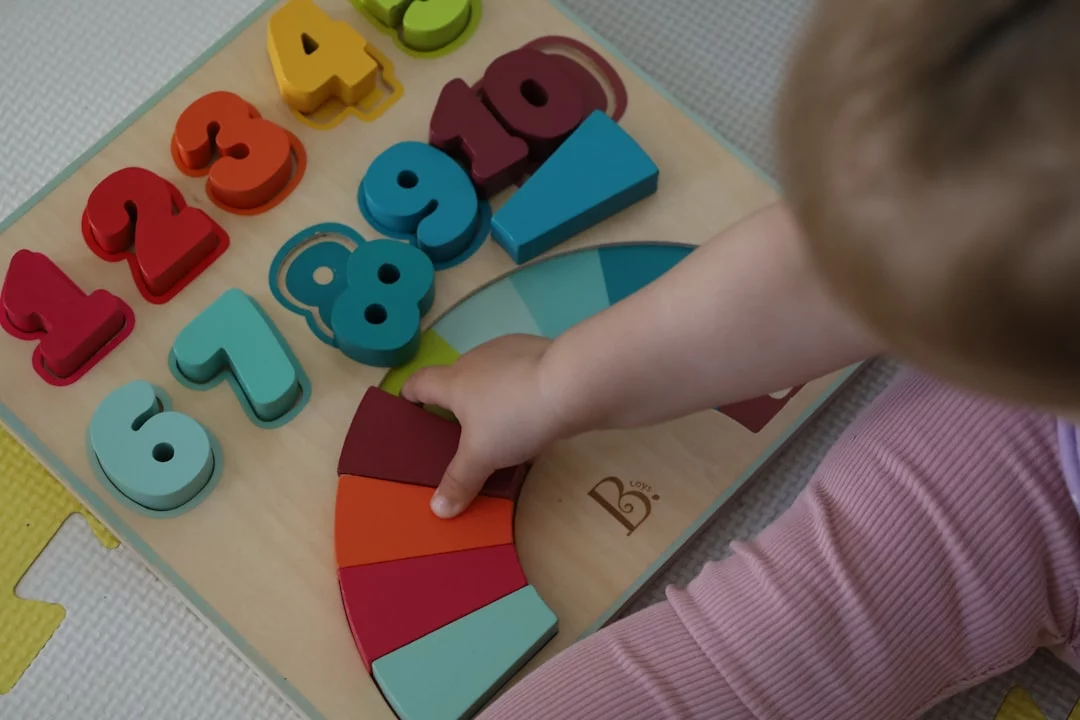
If you want a broader age-by-age overview of concerns, our developmental red flags guide can help you spot patterns without jumping to conclusions.
When to monitor and when to act
Monitor when a skill is emerging slowly but progress is still happening. Act sooner if there’s a loss of skills, several missed milestones, or concerns showing up at home, child care, and school. That’s where warning signs of developmental delay matter most.
For a 9-month-old, red flags can include not moving from supported sitting toward more independent sitting, very little babbling, limited back-and-forth facial expression, not responding to their name consistently, or not transferring toys hand-to-hand. These signs don’t confirm a diagnosis, but the CDC recommends bringing concerns to your child’s doctor and asking about developmental screening from the CDC.
Mistakes that make milestones harder to use
Common mistakes? Comparing one child to a sibling, trusting one viral checklist, assuming bilingualism causes delay, dismissing teacher concerns, or waiting months after a loss of skills. Panic doesn’t help. Neither does brushing things off.
- One rough week can reflect stress, poor sleep, illness, or routine changes.
- Heavy device use and fewer chances to move, talk, and play can affect what you notice; our piece on the effects of screen time explains why daily routines matter.
- What are child development milestones for one age may look different a few weeks later if progress is steady.
A quick note on school-age concerns
School-age red flags aren’t just about grades. Big struggles with peer interaction, attention, executive function, emotional regulation, communication milestones, or fine motor tasks like writing can matter — especially if there’s a sharp change in functioning.
Teachers often notice these first during transitions, group work, and independent tasks, which is why classroom observations can be so useful alongside classroom management basics. If you’re still wondering what are physical development milestones and how they connect to problem solving skills, the next section walks through what to do next at home and school — and you can find more support in our child development articles.
What to do next at home and school
If the red flags section left you wondering, “Okay, now what?” start small. When you ask what are physical development milestones, the most useful answer is this: they help you notice patterns, then support growth through everyday routines.
Real-world application this week
At home or in class, keep it low-pressure and repeatable. Try three simple supports this week:
- Build gross motor skills with a 5-minute balance path using tape lines, couch cushions, or playground stepping stones.
- Strengthen fine motor skills by letting kids squeeze play dough, use tongs, pour water, sort socks, or help with cleanup.
- Support speech and language milestones through back-and-forth conversation, shared reading, and narrating routines like the grocery store line or snack prep.
And don’t skip social-emotional growth. Routines, naming feelings, and turn-taking games matter just as much as movement practice. For more hands-on ideas, these fine motor skill activities are easy to use at home or school.
Who to contact if concerns continue
If delays keep showing up across settings, talk with your pediatrician first. They can screen, rule out hearing or vision concerns, and refer to early intervention for children under 3 where available, or to school-based supports for older kids.
Depending on the concern, that might include a speech-language pathologist, occupational therapist, school psychologist, or licensed mental health professional. Wondering what happens if a child does not meet developmental milestones? Usually, it means “look closer,” not “panic.”
Quick reference recap
In practice, many adults remember milestones better in clusters by age and domain than by memorizing every item. So here’s the deal:
📋 Quick Reference
- Observe and jot down patterns.
- Compare what you see at home and school.
- Support through play, routines, and conversation.
- Ask for screening if concerns persist.
- Baby years: head control, sitting, crawling/standing, first words.
- Toddler years: walking, pointing, pretending, combining words.
- Preschool years: jumping, drawing, storytelling, cooperative play.
If you’ve been trying to remember how to remember child development milestones, this cluster method usually sticks better than a giant child development milestones chart or child development milestones pdf. And when people ask what are physical development milestones, remind them they’re tools for support and early noticing, not a scorecard. If you want more practical next steps, browse our child development articles. Next, I’ll answer the questions parents and teachers ask most.
Frequently Asked Questions
What are child development milestones?
What are child development milestones? They’re skills many children reach within a general age range, across areas like physical movement, language, thinking, social-emotional growth, and everyday self-help skills. Milestones are best used as a guide to notice patterns over time, not as a label for your child. If your child’s progress seems uneven, it can help to track what you’re seeing and compare it with trusted developmental guidance.

What are physical development milestones?
What are physical development milestones? These are the movement and body-control skills children build over time, including gross motor skills like rolling, sitting, walking, and jumping, and fine motor skills like grasping, stacking blocks, and drawing lines or circles. They also include coordination, balance, strength, and how well a child controls their body during everyday tasks. For many families, it helps to think of these as “how kids learn to move, use their hands, and manage their bodies” rather than one big test.
What are the major child development milestones by age?
What are child development milestones by age? In infancy, families often watch for things like smiling, rolling, sitting, babbling, and early gestures; in toddlerhood, walking, first words, pretend play, and simple problem-solving often stand out. Preschool years bring bigger jumps in language, self-care, play skills, drawing, hopping, and following directions, while school-age development often includes stronger attention, friendships, coordination, and academic readiness. Age bands are usually more helpful than exact dates, because children often grow in bursts rather than on a perfect schedule.
What happens if a child does not meet developmental milestones?
What happens if a child does not meet developmental milestones? One missed milestone does not automatically mean a disorder, especially if your child is making progress in other areas or learned a skill a little later than expected. What matters more is the pattern: Are there several concerns, a loss of skills, or delays showing up across home, child care, and school? Write down specific examples, then talk with your pediatrician, an early intervention provider, or your child’s school team so they can help you decide whether screening or further evaluation makes sense.
What are the warning signs of developmental delay?
What are the warning signs of developmental delay? Signs worth paying attention to can include regression, multiple missed milestones, very limited communication, major movement concerns, or difficulties that show up in more than one setting. But wait — one rough week or one late skill usually isn’t the whole story. If concerns keep showing up, use a screening tool and follow up with a qualified professional; the CDC’s Learn the Signs. Act Early. program is a solid place to start.
What are the red flags for a 9-month-old baby?
What are the red flags for 9 months old baby? Signs worth discussing with a pediatrician can include little or no babbling, not sitting independently or close to it, limited response to their name, weak back-and-forth social engagement, or trouble transferring objects from one hand to the other. These signs are not proof of a diagnosis, and that distinction matters. They’re better understood as cues to look more closely, especially if you’re noticing more than one concern at the same time.
How can parents and teachers remember child development milestones more easily?
If long milestone lists make your eyes glaze over, you’re not alone. A simpler way to learn how to remember child development milestones is to group them by domain (physical, language, cognitive, social-emotional, adaptive) and by age cluster (baby, toddler, preschooler, school-age) instead of memorizing every single skill by month. Many families and educators find it easier to keep a simple chart or printable checklist on the fridge, in a planner, or near lesson plans, then review it during routines like meals, playtime, or parent-teacher check-ins; for more support, you can also browse our child development resources.
Conclusion
Here’s the big picture: use milestones as guideposts, not grades; look for patterns over time instead of judging one off day; pay attention to skills across settings at home and school; and act early if something keeps nagging at you. If you’ve been wondering what are physical development milestones, the most helpful answer is this: they’re age-linked skills that give you a practical way to notice growth, support practice, and spot when a child may need a closer look. And yes, small, steady observations matter. A note from the classroom, a bedtime routine that suddenly feels harder, or trouble with balance, coordination, or fine-motor tasks can all be useful clues.
If you’re reading this and realizing your child or student doesn’t match every chart exactly, take a breath. That alone doesn’t mean something is wrong. Kids develop unevenly all the time — fast in one area, slower in another — and many families find that simple support, time, and consistency make a real difference. But if concerns keep showing up, trust that instinct and reach out to a pediatrician, early intervention program, school team, or other qualified professional. You’re not overreacting by paying attention. You’re doing what caring adults do.
For more practical support, explore our Child Development hub and Education hub on EducatorsSupport.com. You can also keep learning with related reads on development, school readiness, and everyday ways to support growing bodies and minds. Start with one step this week: observe, write it down, and follow up. That’s how understanding turns into support.


