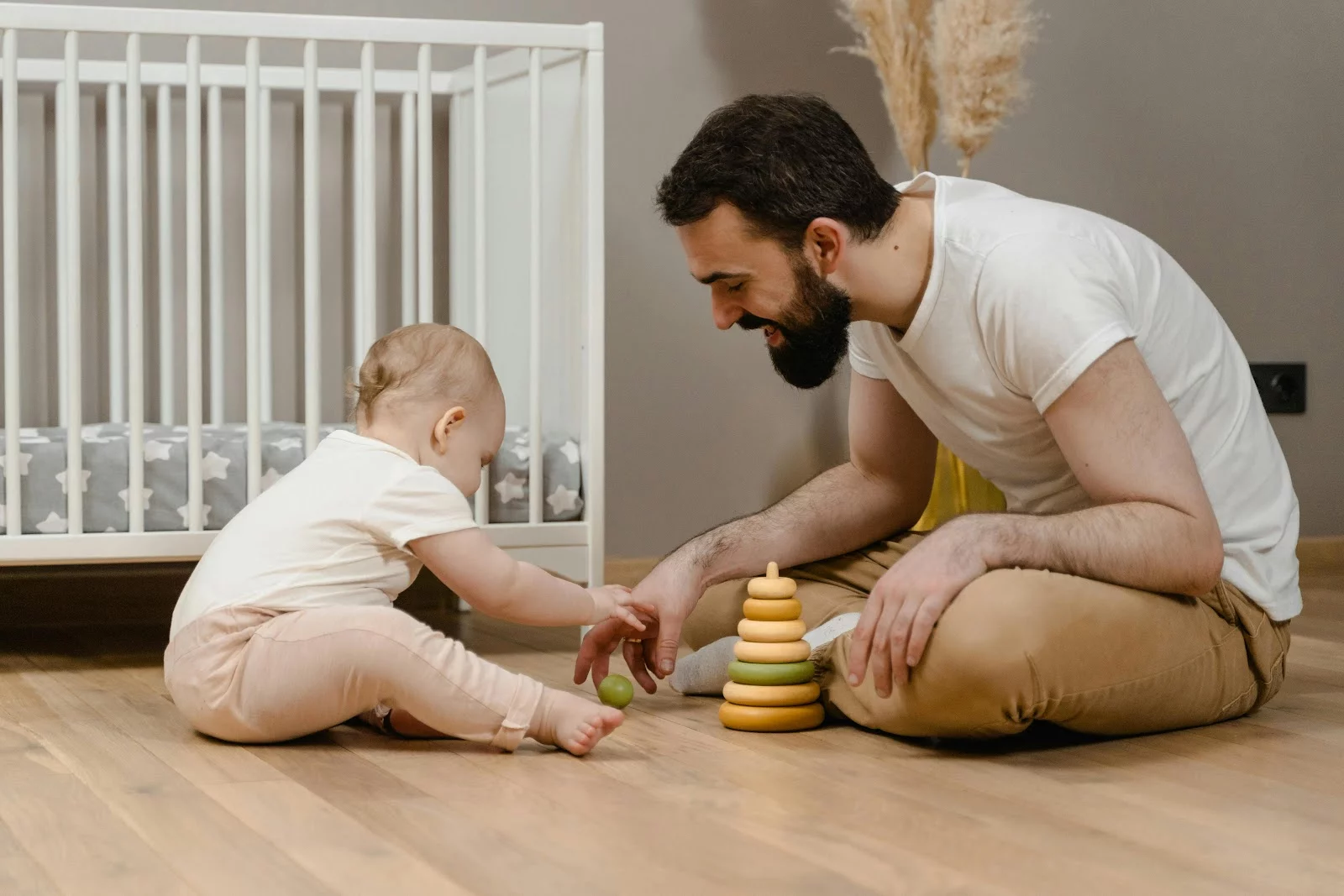
The best positive parenting tips for easier daily family life are surprisingly simple: build predictable routines, connect before you correct, set clear expectations, and make recurring stress points easier on purpose. If you’re asking what are the best parenting tips for daily family life, start there. Positive parenting means warm, firm, consistent guidance that helps kids feel safe, capable, and connected while supporting healthy development — and our positive parenting guide breaks that down even further.
Sound basic? Maybe. But if your mornings feel like a fire drill, homework turns into a power struggle, and bedtime somehow starts three times before it sticks, you already know the hard part isn’t loving your kids. It’s doing the same steady things every day when everyone’s tired, late, hungry, or overstimulated.
That’s where practical, evidence-informed positive parenting tips really help. The CDC’s parenting guidance for building positive relationships and routines echoes what many child development experts have found: kids do better with warmth, consistency, and clear limits. Which brings us to something many parents wonder — why is parenting important in a child life? Because daily interactions shape how children learn self-control, handle stress, build trust, and feel secure enough to grow.
In this article, you’ll get parenting tips for everyday family routines organized around real pressure points: mornings, after-school time, meals, homework, bedtime, screens, and weekly resets. The guide includes simple scripts, age-aware adjustments, and a practical checklist. And if you’ve ever wondered how warm and firm can exist together, this quick look at parenting styles explained adds helpful context.
Editorial disclosure: Educators Support uses an automated research, drafting, and verification workflow. This article provides general educational information and does not imply human or clinical review.
📑 Table of Contents
What positive parenting really looks like
So here’s the deal. The best positive parenting tips for easier family life are simple: connect before correcting, use predictable routines, set clear expectations, and reduce repeat stress points like mornings, homework, bedtime, and screens. For the full roadmap on parenting tips and strategies, our parenting tips and strategies guide is the best next step.
If you’re wondering what this looks like in real life, think less “perfect parent” and more steady, warm leadership. For a deeper foundation, our positive parenting guide can help frame the big picture.
A simple definition parents can actually use
Positive parenting is warm, firm, consistent guidance. It’s not “never saying no,” and it’s not yelling, threats, or vague rules either. If you’ve ever wondered what are positive parenting tips, start here: be clear, stay calm, and mean what you say.
Instead of repeated nagging, try: “Shoes on by the door, then we leave.” That’s easier for kids to follow. It also fits what the CDC’s Essentials for Parenting Toddlers and Preschoolers and Harvard Center on the Developing Child emphasize about responsive relationships and routines. If you want the bigger contrast, see our guide to parenting styles explained.
Why is parenting important in a child life? Because daily interactions shape emotional security, self-regulation, and learning habits over time. This article translates child-development research into practical guidance and does not provide pediatric or therapeutic advice. This section is educational, not medical or mental-health advice; for ongoing sleep, behavior, developmental, or emotional concerns, talk with a pediatrician, licensed therapist, school counselor, or another qualified professional.
The 5 daily skills that matter most
- Connection: A quick hug or eye contact before school drop-off can lower friction fast.
- Clear communication: Short directions work better than long lectures during sibling conflict.
- Calm follow-through: Hold the limit at bedtime without adding extra threats.
- Realistic expectations: Tired kids stall more. Hungry kids melt down more. That matters.
- Repair after conflict: After a rough moment, reconnect and restate the limit.
Those are 5 parenting skills many families come back to again and again. And honestly, they’re also 5 characteristics of a good parent: not perfection, but steadiness.
Practical example: what helps busy families most
Many families don’t need a total parenting overhaul. They need fewer repeated decisions at 7:15 a.m. and 8:30 p.m. Consistency matters more than perfection — yes, even on the messy days.
Success usually means fewer power struggles, not a perfectly calm home. Which brings us to the next section: positive parenting tips for daily routines you can actually use this week.
Positive parenting tips for daily routines
This is where warm, steady parenting gets practical. The best positive parenting guide is the one you can still use on a rushed Tuesday morning.

Build routines around anchors, not perfect schedules
The most useful positive parenting tips for daily family life start with anchors, not a minute-by-minute family schedule. Think: wake-up, shoes on, snack, homework start, dinner, bath, lights out.
Why does that help? It cuts decision fatigue for you and your child. Research on routines suggests predictable patterns support children’s regulation and family functioning, and the American Psychological Association on family routines highlights how routines can build security.
Try “After school: snack, 10-minute reset, homework, play, dinner” instead of “3:17 p.m. homework.” Toddlers do better with pictures and one-step directions, school-age kids can use checklists, and tweens usually need more input and fewer reminders.
- Morning: bathroom, get dressed, breakfast, shoes, backpack
- After school: backpack away, snack, reset, homework, play
- Bedtime: bath, pajamas, teeth, books, lights out
A step-by-step routine plan that actually works
How to create a family routine with kids
- Step 1: Pick the hardest part of the day.
- Step 2: Choose 3-5 anchors only.
- Step 3: Write the routine in simple order.
- Step 4: Teach it when everyone is calm.
- Step 5: Use visual cues, timers, or a checklist.
- Step 6: Review after one week and cut what isn’t working.
If a routine keeps failing, don’t add more rules. Cut one step, shorten transitions, or move homework support earlier; if you need ideas, this guide on help with homework can make that slot easier. Test one routine for seven days before changing everything.
What to say during common stress moments
Keep it brief. “First backpack away, then snack.” “When the timer rings, screens go off. You can choose to turn it off yourself or I can help.”
For homework: “You can start at the table or the desk.” For bedtime: “Two books or one longer book?” Clear, calm, and boring often works better than a lecture.
Common mistakes that make routines harder
Too many rules. Changing expectations every day. Long speeches during conflict. And expecting skills before they’re developmentally ready.
Here’s what helps me remember: inconsistency often creates more pushback than firmness. If your child is melting down every day, the routine may be too long, too vague, or landing when they’re simply too hungry, tired, or overstimulated to manage it well. Which brings us to a quick reset for calmer weeks.
Quick reset for calmer weeks
That’s where managing parenting stress often starts: not with a perfect system, but with a short reset you can actually repeat. The most useful positive parenting tips usually work because they lower friction on ordinary days, not because they ask more of already-tired parents.
Your daily checklist in 60 seconds
Think printable, not Pinterest. A good parenting checklist for daily routines should have just 5 to 7 boxes, because when the list gets too long, families stop using it.
- Sleep rhythm roughly stayed on track
- Meals and snacks happened before everyone got hangry
- Some movement or outdoor time
- Homework plan was clear
- One connection moment happened
- Screen boundary was followed
- Bedtime wind-down started on time
Missed two boxes? That’s information, not failure. Healthy daily habits for families work best as repeatable supports, and many positive parenting tips are really about noticing which missing piece throws your home off fastest.
A weekly reset for busy families
Set a 15- to 20-minute timer once a week. Ask one question: what was the hardest part of this week—mornings, homework, dinner, pickup, or bedtime?
Then do a small reset:
- Choose 3 easy dinners and prep one shortcut
- Refill water bottles and reset school bags
- Sign forms and review pickup plans
- Charge devices outside bedrooms
- Confirm caregiver handoffs and who owns what
If you co-parent, keep communication boring and clear. If you’re parenting solo, shrink the system until it fits your real life.
Protect connection without adding more work
Quality time doesn’t have to mean an outing. A 5-minute bedtime chat, a car-line check-in, folding laundry together, or a one-song kitchen dance break all count.
📋 Quick Reference
Daily: check 5-7 basics. Weekly: review one pain point, prep one shortcut, reset school items, confirm handoffs, and choose one family ritual like Friday pizza or a 10-minute walk after dinner.
Small, repeatable habits usually matter more than big plans. And with that reset in place, the FAQ and final wrap-up will feel a lot more doable.
Frequently Asked Questions
What are the best parenting tips for daily family life?
If you’re wondering what are the best parenting tips for daily family life, start with four habits that actually hold up on busy weekdays: connect before correcting, use predictable routines, keep expectations clear, and simplify recurring stress points. That might look like making eye contact before giving a direction, using the same morning order every day, saying “shoes on before we leave” instead of a long lecture, and setting backpacks by the door the night before. Small repeatable habits usually work better than major overhauls, and many families find these kinds of positive parenting tips easier to stick with when life gets messy.

How do you create a daily routine for kids?
For parents asking how do you create a daily routine for kids, the easiest place to begin is the hardest part of the day — usually mornings, after school, or bedtime. Build around 3 to 5 anchor points, like wake-up, meals, homework, outside time, and sleep, then add visual checklists, simple cues, and a one-week test before revising anything. For many families, fewer steps often work better, and you can find more practical ideas in Educators Support’s parenting articles.
What are positive parenting tips?
What are positive parenting tips? They’re warm, firm, consistent ways of guiding behavior while protecting connection, so your child feels safe and knows what to expect. Positive parenting tips aren’t permissive — they still include limits, clear rules, and calm follow-through when a boundary is crossed.
How do you set family rules that kids follow?
If you’re asking how do you set family rules that kids follow, keep them few, specific, and tied to routines instead of broad speeches kids tune out. “We use calm voices indoors,” “plates go to the sink after dinner,” and “screens go off when the timer rings” are easier to follow than “be respectful” or “behave better.” Teach expectations when everyone is calm, practice them once or twice, and then follow through consistently — because kids usually learn rules from repetition, not reminders number seventeen.
How do you manage screen time in daily family life?
When parents ask how do you manage screen time in daily family life, predictable screen windows usually help more than constant case-by-case bargaining. Try clear shutoff cues like a timer or “one more song,” and protect device-free anchors such as meals, car rides, homework time, and bedtime. Age, temperament, and family needs matter here, so it can help to adjust your plan using pediatric guidance like the American Academy of Pediatrics media guidance.
What are healthy daily habits for families?
If you’re thinking about what are healthy daily habits for families, focus on basics that support calmer behavior and easier routines: regular sleep, steady meals and snacks, daily movement, a little connection time, a predictable homework rhythm, and reasonable screen limits. Worth it? Absolutely. The goal isn’t perfection — it’s creating a home rhythm that helps kids regulate, transition more smoothly, and gives parents a few fewer battles to fight each day.
Conclusion
The most useful positive parenting tips are often the least flashy. Start with a few small moves: get down at your child’s eye level before giving directions, build simple routines your family can actually repeat, notice and name the behavior you want more of, and use a quick reset when the week starts sliding sideways. Three things matter most: connection before correction, consistency over perfection, and realistic expectations for your child’s age and stage. And yes, those tiny shifts can make school mornings, dinnertime, and bedtime feel a whole lot less exhausting.
If your family life feels messy right now, you’re not doing it wrong — you’re living with kids. Thing is, calmer days usually don’t come from one magic fix. They come from one better pause, one clearer routine, one gentler response at a time. So For many families, and some days go beautifully while others fall apart by 8:15 a.m., that’s normal. Keep the goal small this week: pick one of these positive parenting tips and try it every day for seven days. Worth it? Absolutely.
And if you want more practical support, explore more on EducatorsSupport.com. You might like our Parenting hub for everyday family strategies, or browse Emotional Wellness for help with big feelings, stress, and calmer routines. Read one article, try one change, and give it a real week — that’s how family life gets easier.
One concrete positive-parenting practice is helping children notice and express appreciation; these gratitude strategies for children show how to build the habit without forced scripts.