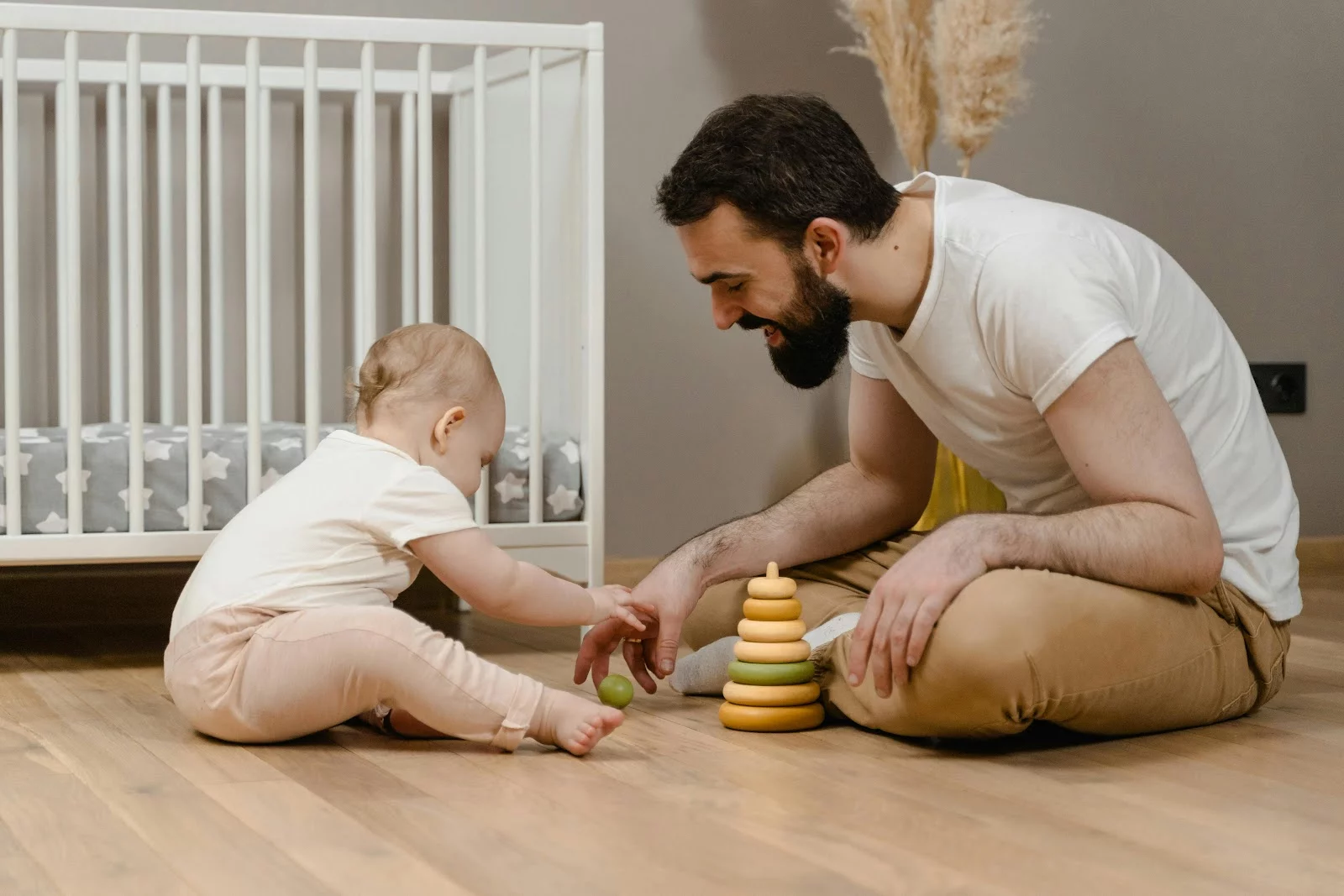
The four parenting styles are authoritative, authoritarian, permissive, and uninvolved (also called rejecting-neglecting in some research). They describe broad patterns in emotional warmth, expectations, communication, and control. They are not diagnoses, fixed identities, or forecasts of a child’s future.
The APA Dictionary of Psychology entry on parenting organizes the influential framework around warmth and control. Meta-analyses add an important caution: associations vary in size and context, and child behavior can also affect how caregivers respond. This guide explains the model, its evidence limits, and practical ways to examine everyday family patterns.
Editorial disclosure: Educators Support uses an automated research, drafting, and verification workflow. This article provides general educational information and does not imply human or clinical review.
What parenting styles measure
Parenting-style models summarize a recurring climate rather than a single technique. A household might use a timer, a consequence, a family meeting, or a choice without that one action defining the entire style. The more useful questions are how often the child experiences emotional responsiveness, how limits are communicated, and how adults follow through.
Warmth and control are separate dimensions
In the APA definition, classifications generally differ along emotional warmth and control. Warmth includes attention, responsiveness, affection, and interest in the child’s perspective. Control concerns expectations, monitoring, limits, and how much behavior is directed. The combination of those dimensions produces the familiar four categories.
- High warmth and clear control: authoritative.
- Lower warmth and strong control: authoritarian.
- High warmth and low control: permissive.
- Lower warmth and low control: uninvolved or rejecting-neglecting.
Real families rarely fit a box perfectly. A caregiver may be collaborative about schoolwork, rigid during a rushed morning, and inconsistent about screens. Age, disability, temperament, cultural expectations, work demands, illness, and family support can all affect what a pattern looks like.
What the research can and cannot say
A meta-analysis of 428 studies examined parenting styles, behavior problems, academic achievement, and culture. It found more geographic similarities than differences in the direction of associations, while also finding regional and ethnic variation in their strength. That makes culture a necessary part of interpretation rather than an afterthought.
An updated meta-analysis of 1,435 studies reported that warmth, behavioral control, autonomy support, and authoritative parenting had very small to small associations with fewer externalizing problems. Harsh control, psychological control, and authoritarian, permissive, or neglectful patterns were associated with more externalizing problems. Several relationships were bidirectional, meaning children’s behavior and caregivers’ responses may influence one another over time.
The four parenting styles compared
The table focuses on observable patterns instead of promised outcomes. A caregiver can use it to notice how warmth, expectations, explanations, and follow-through come together.
| Style | Typical pattern | Example response | Question to consider |
|---|---|---|---|
| Authoritative | Responsive and warm, with clear expectations, age-appropriate autonomy, and follow-through. | “The screen is off now. Choose whether to charge it in the kitchen or on the hall shelf.” | Is the boundary clear while the child’s perspective still has room? |
| Authoritarian | Strong emphasis on obedience and control, with less dialogue or autonomy. | “Turn it off because the rule says so. No discussion.” | Does control leave little space for explanation, repair, or age-appropriate input? |
| Permissive | Warm and accepting, with few demands or inconsistent limits. | “It is late, but another hour is fine if the argument stops.” | Does avoiding conflict make expectations hard to predict? |
| Uninvolved | Limited responsiveness, monitoring, and guidance. | The rule is not noticed or followed up. | Is the child regularly missing needed attention, supervision, or support? |

Authoritative parenting: warmth with structure
Authoritative parenting combines responsiveness with limits. Adults explain expectations at a level the child can understand, invite age-appropriate input, and keep responsibility for safety and final boundaries. Listening does not mean that every answer changes to yes.
A common example is: “It makes sense that stopping is frustrating. The game still ends at eight. Pick a stopping point and save the rest for tomorrow.” The feeling receives attention, the rule stays visible, and the child gets a bounded choice.
Authoritarian parenting: control with less dialogue
Authoritarian patterns prioritize obedience and adult authority. Rules may be strict, explanations brief, and punishment more prominent than coaching. A firm safety instruction in an urgent moment does not by itself establish this style; the label concerns the wider pattern.
To move a recurring interaction toward more responsiveness without removing the limit, an adult can name the expected action, give a short reason, and allow a suitable choice: “Hold a hand in the parking lot because cars are moving. Choose the left hand or the right hand.”
Permissive parenting: warmth with limited structure
Permissive caregivers may be affectionate and attentive while finding it difficult to set or maintain limits. The pattern can appear when a rule changes repeatedly after protest, an adult solves tasks the child can attempt, or expectations remain unclear.
More structure can be added gradually. State one observable rule, choose a response that is realistic to carry out, and check whether the expectation fits the child’s age and abilities. The aim is predictability, not harsher control.
Uninvolved parenting: limited engagement and guidance
The APA entry uses the term rejecting-neglecting for a pattern low in support and monitoring. “Uninvolved” is common in public explanations, but it should not be used casually to shame a caregiver. Low engagement can be connected with depression, illness, trauma, unsafe relationships, work strain, poverty, disability, or missing support. Those factors require context and practical help, not a label alone.
If a child lacks basic care, safe supervision, or protection, the priority is immediate support through appropriate local services or a qualified professional. A parenting-style quiz is not a safety assessment.
Parenting-style examples in daily family life
Examples make the framework easier to recognize, but scripts should be adapted for age, communication needs, disability, culture, and the situation. The same sentence can also feel different depending on tone and what happens next.
Toddler transition: leaving the playground
Current CDC guidance for toddlers and preschoolers emphasizes simple routines, predictability, and follow-through. Its direction-giving guidance recommends clear, age-appropriate directions that state what the child should do.
- Warmth plus structure: “Leaving is hard. It is time to walk to the gate. Choose hopping or holding hands.”
- High control, little dialogue: “Stop crying and come now.”
- Warmth, weak follow-through: “Five more minutes,” repeated each time the child protests.
- Low engagement: No warning, guidance, or attention to where the child is.
The examples are contrasts, not a scoring test. A safe, direct instruction may be necessary near traffic or another immediate hazard.
Schoolwork: a child avoids starting
Before treating avoidance as defiance, check whether the task is understood, manageable, and supported. The homework support guide covers practical ways to reduce start-up friction.
- Warmth plus structure: “Show the part that feels confusing. The assignment still needs a start, and the first step can be chosen together.”
- High control, little dialogue: “Finish everything now or lose every privilege.”
- Warmth, weak follow-through: The adult completes the task to end the conflict.
- Low engagement: The repeated difficulty receives no check-in or support.
Teen curfew: growing autonomy with a boundary
A teen may need more participation in planning while adults retain responsibility for safety. A clear approach names the agreement, invites relevant information, and states what changes after a missed check-in. The guide to staying connected with teens offers more age-specific examples.
For example: “The agreed check-in was ten. Explain what happened, then the next plan needs a check-in method that works.” This leaves space for new information without making the boundary disappear or assigning a sweeping punishment before the facts are known.

When caregivers use different styles
Different adults often bring different histories and expectations. Total agreement is not required, but hidden rules and contradictory responses make a routine difficult to understand. A short private check-in can clarify three points: the non-negotiable boundary, the area where the child has choice, and the response adults can carry out consistently.
A neutral holding statement can reduce conflict in front of the child: “The adults need to compare the plan. An answer comes after that conversation.” Safety decisions should follow the applicable plan immediately rather than waiting for consensus.
How to reflect on a parenting pattern and adjust it
Reflection is more useful when it examines a specific routine instead of assigning a global label. Choose one repeated situation, such as morning preparation, homework, sibling conflict, device use, or bedtime.
A one-week pattern check
- Describe the situation. Record what happened without guessing at motives.
- Write the adult response. Note the words, tone, limit, and follow-through.
- Mark warmth and structure separately. Was the child’s perspective acknowledged? Was the next action understandable?
- Check fit. Consider age, communication, sensory or learning needs, fatigue, hunger, recent change, and safety.
- Choose one adjustment. Shorten the direction, make the rule visible, add a bounded choice, or plan a calmer follow-up.
- Review the pattern. Look across several days rather than judging one hard moment.
Practical reset scripts
| Need | Script |
|---|---|
| Acknowledge and hold the limit | “The answer is disappointing. The limit stays the same.” |
| Offer bounded autonomy | “The task needs a start. Choose the first problem or the shortest section.” |
| Repair after yelling | “The direction was important, and yelling was not helpful. Here is the direction again.” |
| Clarify a vague rule | “Respectful” is too broad here. The action is: keep hands to yourself and use a regular voice. |
| Pause a caregiver disagreement | “The adults need to compare the rule before giving an answer.” |
Family stress can make any pattern harder to maintain. If overload, depression, trauma, conflict, or lack of support is affecting caregiving, the parenting stress guide can help organize next steps. Persistent distress, unsafe behavior, or concerns about a child’s development or mental health deserve individualized help from an appropriate qualified professional.
Frequently asked questions
What are the four parenting styles?
The influential framework describes authoritative, authoritarian, permissive, and rejecting-neglecting parenting; the last category is also often called uninvolved. The categories combine different levels of warmth and control. They describe patterns rather than fixed personality types.
What is the difference between authoritative and authoritarian parenting?
Both can include rules and adult authority. Authoritative parenting also emphasizes responsiveness, explanations, and age-appropriate autonomy. Authoritarian parenting places more emphasis on obedience and control with less dialogue. A strict response during an immediate safety risk does not define the broader style.
Is one parenting style always better?
Research often associates authoritative patterns with favorable average outcomes, but the associations are not universal or deterministic. Outcome, culture, study design, the child’s characteristics, family conditions, and the specific behaviors being measured all matter. Warmth, clear expectations, non-harsh follow-through, and appropriate autonomy are more useful practice targets than chasing a perfect label.
Can a parenting style change?
Caregiving patterns are not permanent categories. Adults can change repeated responses, repair after conflict, coordinate expectations, and seek support. A practical starting point is one routine with one observable adjustment rather than a complete household overhaul.
Are there five parenting styles?
The influential warmth-and-control framework has four categories. Terms such as gentle, attachment, free-range, or positive parenting usually describe other philosophies or sets of practices, not an official fifth category in this model.
Does one consequence define a parenting style?
No. A style concerns the pattern of warmth, control, communication, and follow-through across situations and time. The same consequence can be delivered with different levels of explanation, proportionality, consistency, and responsiveness.
Use the model with context
The four parenting styles can provide vocabulary for patterns that otherwise feel hard to describe. Their value is in asking better questions: Is the boundary understandable? Is the response proportionate? Is the child’s perspective heard? Is autonomy appropriate for age and safety? Is stress changing the way adults respond?
The practical target is not a flawless label. It is a more responsive and predictable pattern that fits the child, family, culture, and situation. For broader support, visit the Parenting guide.