

Within an activity, offering children meaningful choices is associated with greater learning, heightened intrinsic motivation, and quality of learning. National Education Policy Center research summary; Stanford Bing Nursery School research summary.
This guide presents simple ways to build choices into everyday learning at home or in a classroom.
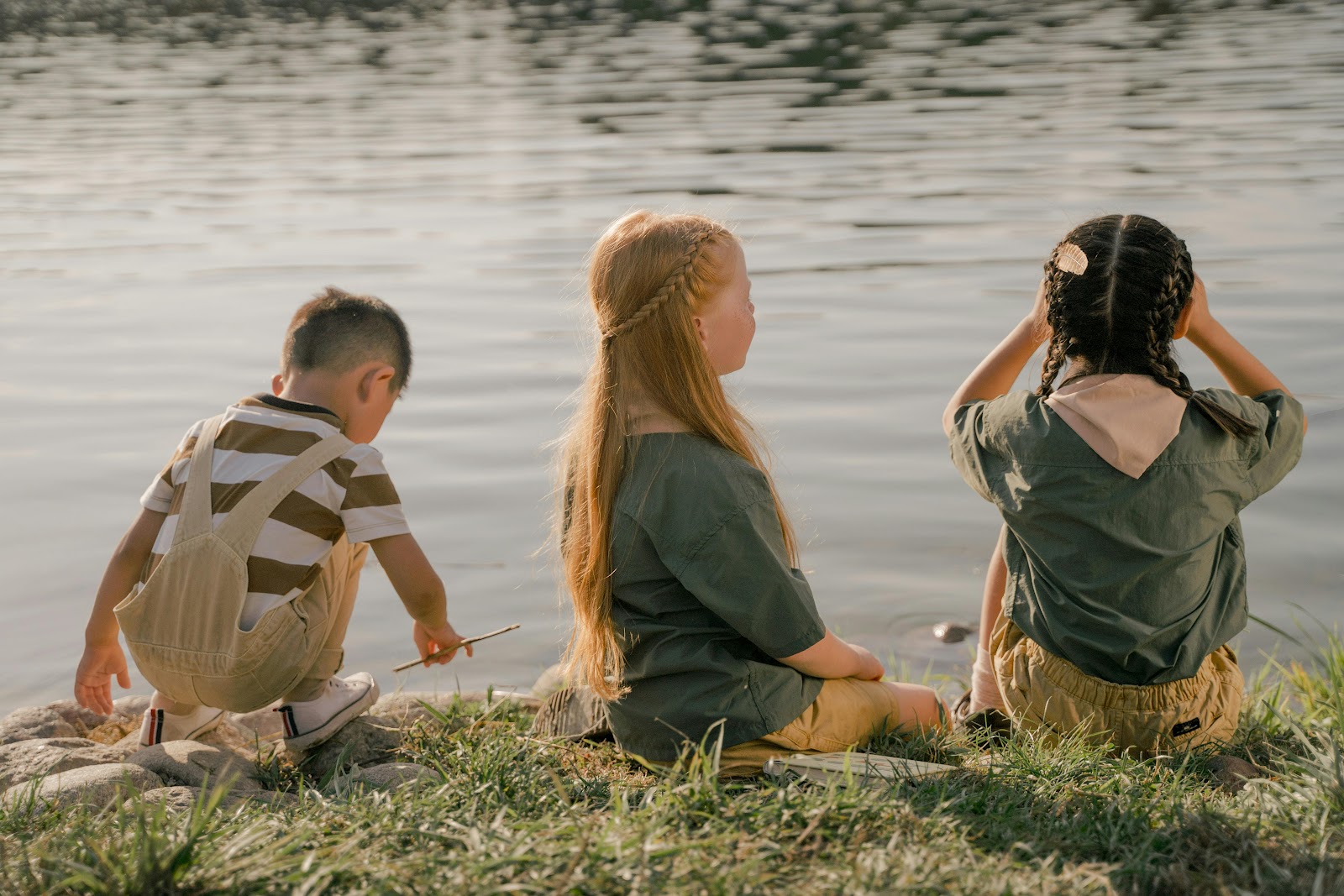
- Offer a small choice within an activity rather than directing every step.
- Keep the available options clear and manageable.
- Let a child choose a topic, material, format, or starting question when practical.
Contents
The Role of Curiosity in Child Development
Instead of planning every part of an activity, identify one decision a child can make. Keep the decision connected to the task and offer options you are prepared to support.
- For a nature walk, ask whether the child would like to look for colours, textures, sounds, or shapes.
- For reading, offer a choice between two books, two pages to revisit, or one detail to discuss.
- For making something, let the child select from a small set of materials.
- For a shared problem, ask which part they would like to try first.
Use wording that makes the choice clear: “You can choose A or B,” or “Which would you like to begin with?” If neither option appeals, invite the child to suggest another option that still fits the activity.
The aim is not to make every decision negotiable. Choose a small decision that leaves the activity workable while giving the child a real say in how to take part.
A Question-and-Choice Routine for Learning Activities
You can use a simple question-and-choice routine without needing to supply an immediate explanation. Begin with something available in the activity, then let the child select a direction for looking more closely.
- Notice something together, such as a picture, object, sound, or pattern.
- Ask what the child notices or wonders about it.
- Offer a choice of next steps, such as drawing it, comparing it with another item, reading about it, or making a prediction.
- Return to the original question and invite the child to describe what they found.
For example, while looking at two leaves, you might ask, “Would you rather compare their shapes or their textures first?” During a story, you might ask, “Would you like to talk about a character, a setting, or an event?”
It is fine to say that you do not know an answer. You can keep the focus on the next available step: looking again, checking a suitable book, or writing down a question to revisit later.
Practical Ways to Encourage Curiosity in Children
Here is a choice-based approach to use within an activity. The choice can concern the topic, materials, order, or way of showing an idea.
- Offer two objects to investigate: “Would you like to start with the leaf or the stone?”
- Let the child choose a way to respond: draw an observation, build a model, or tell a short story about it.
- Invite a choice of starting question: “What do you want to find out first?”
- For a shared task, let the child choose a role or select which part to begin with.
Keep the options connected to the activity and simple enough to choose from. You can find more activity ideas in the Learning & Activities collection.
Curiosity in the Classroom: Transforming Passive Learning into Active Engagement
In a classroom, build choices into a task that still has a clear shared purpose. Decide in advance which parts are fixed and which parts students may choose. For example, the class may work with the same topic while students choose an example, a resource from a teacher-prepared set, a partner role, or a way to present their thinking.
- Offer two prompt options: “Would you like to begin with the image or the short text?”
- Let students choose whether to record an observation as a labelled sketch, a list, or a short explanation.
- For group work, invite groups to choose roles such as reader, recorder, materials organiser, or reporter.
- Set aside a place for students to add a question they want to return to during the activity.
Keep the choices specific and explain any limits plainly. A possible closing prompt is: “What did you choose, and what would you choose next time?”
Conclusion: Ignite the Spark, Let Curiosity Shine
Start with one small decision a child can genuinely make during an activity. For example, they might choose what to explore first, which materials to use, or how to share what they notice. Research summaries associate giving children choices within an activity with intrinsic motivation and learning.


