

You need easy recipes for picky eaters that don’t turn dinner into a negotiation. Think familiar, low-stress meals: chicken bites, mini quesadillas, buttered noodles with chicken, English muffin pizzas, ground beef rice bowls, one-pot pasta, mild taco bowls, grilled cheese, breakfast-for-dinner plates, baked pasta cups, turkey meatballs, and yogurt fruit plates.
If your child eats beige foods on Monday, rejects the same beige food on Tuesday, and suddenly “hates” sauce by Wednesday, you’re not alone. Picky eating is common in childhood, and MedlinePlus guidance on picky eating reminds families that repeated, calm exposure often matters more than pressure.
This guide is for parents, teachers, and caregivers who need practical meals for real barriers: no vegetables, texture sensitivity, bland-food preferences, protein resistance, tight budgets, and rushed school nights. You’ll get simple steps, texture notes, optional hidden vegetables, and no-pressure exposure tips so your child can keep a safe food on the plate while slowly meeting something new.
Editorial disclosure: Educators Support uses an automated research, drafting, and verification workflow. This article provides general educational information and does not imply human or clinical review.
Contents
Quick Answer: Easy Recipes for Picky Eaters
The most useful picky-eater recipes are familiar, flexible, and easy to separate. Start with one food your child usually accepts, add a protein, and place one tiny optional “learning food” nearby without pressure.
- Chicken bites
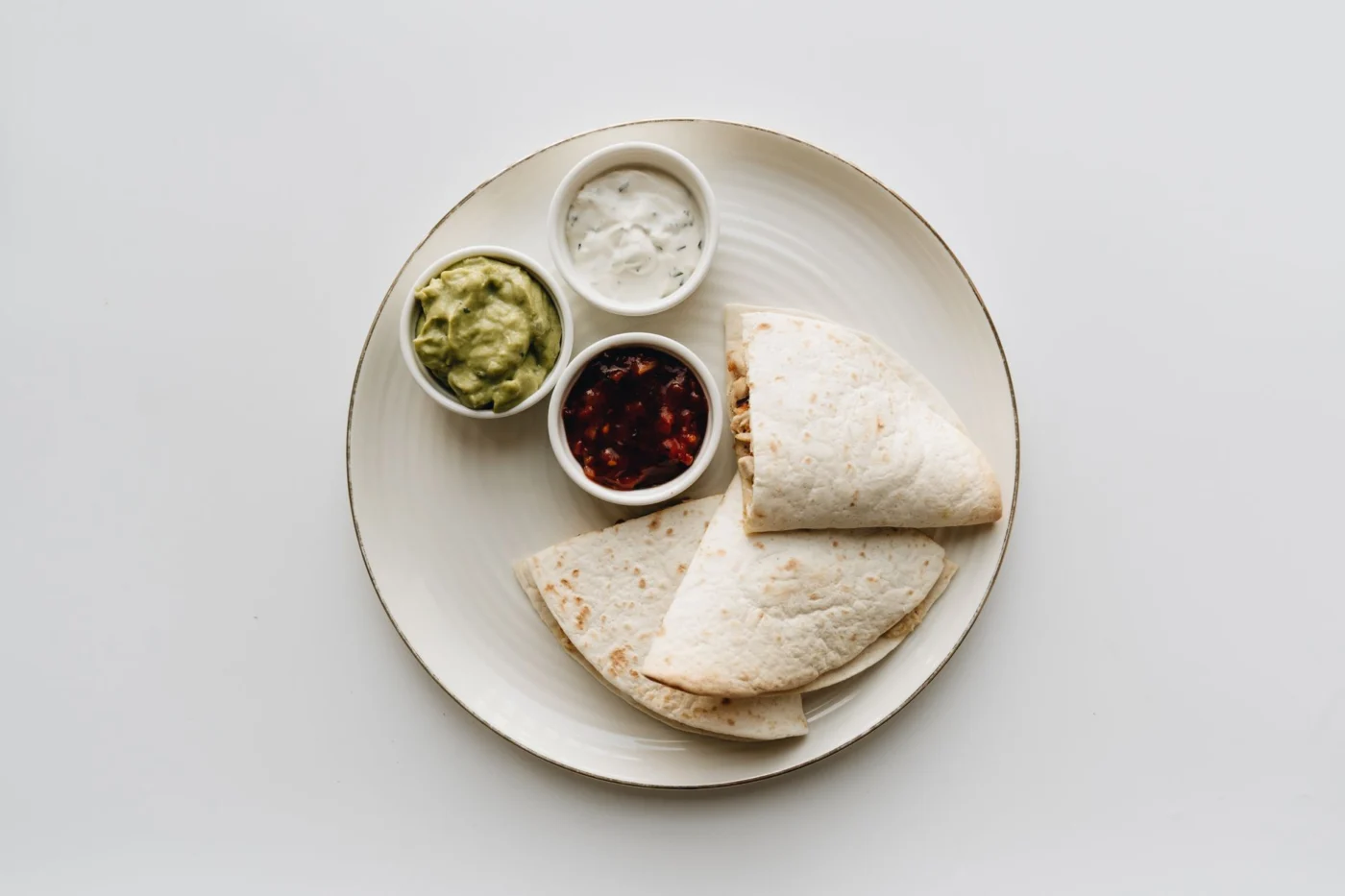
- Mini quesadillas
- Buttered noodles with chicken
- English muffin pizzas
- Ground beef rice bowls
- One-pot pasta
- Mild taco bowls
- Grilled cheese
- Breakfast-for-dinner plates
- Baked pasta cups
- Turkey meatballs
- Yogurt fruit plates
Picky eating can be part of normal toddler and preschool development, including autonomy, sensory preferences, and food neophobia. MedlinePlus, HealthyChildren.org, Zero to Three, and CDC child development guidance offer helpful context. Hidden vegetables can support nutrition, but they shouldn’t replace visible, pressure-free food exposure over time.
📋 Quick Reference
Ask: What safe food will they likely eat? What protein can I add? What tiny optional side can sit nearby without pressure?
Try buttered noodles plus chicken plus a cucumber coin, a quesadilla with beans on the side, or a rice bowl with meat and a tiny fruit or vegetable portion.
Build a No-Battle Meal
Recipes help, but a formula saves dinner. Parents choose what, when, and where food is served; children choose whether and how much to eat, within safe and reasonable limits. Think in simple parts: familiar carb, protein, fruit or vegetable exposure, and a dairy or calcium-rich option when it fits.
-
Step 1: Start with a safe food
A safe food is something your child usually accepts: plain rice, noodles, toast, tortilla, crackers, fruit, nuggets, yogurt, or cheese. It lowers table panic; toddlers may need strips or tiny bites, while school-age kids may handle build-your-own meals.
-
Step 2: Add protein and a tiny side
Offer chicken bites, turkey meatballs, eggs, yogurt, cheese, beans, tofu cubes, ground beef, or nut/seed butter when allergy-safe. Add one pea, one cucumber slice, one blueberry, one bean, or a teaspoon of sauce; repeated food exposure may help, but there’s no guaranteed timeline.
-
Step 3: Keep textures separate
Mixed casseroles can be harder because every bite changes. Use divided plates, muffin tins, dipping cups, or deconstructed taco rice, burger bowls, and pasta with sauce on the side. You can say, “You don’t have to eat it; it’s just learning food today.”
- Bland-only? Keep seasoning separate.
- Protein-averse? Try yogurt, cheese, eggs, beans, tofu, or mild meatballs.
- Texture-sensitive? Change one thing at a time: shape, dip, temperature, or crunch.
Fast Dinners for Real Weeknights
Once you’ve built a no-battle meal, the next win is speed. For more dinner-specific backup, keep this list of easy dinner ideas close on school nights. For safety, cook chicken and ground meats to appropriate temperatures using FoodSafety.gov’s minimum cooking temperature guidance.
Crispy chicken bites, two ways
Crispy bites are reliable because the texture is predictable: chicken breast or thighs, breadcrumbs, egg or yogurt, mild seasoning, and oil spray. Prep takes about 10 minutes; cook 15–20 minutes, depending on whether you use the air fryer or oven.
Air fryers make a crunchier outside; ovens are softer and better for big batches. Swap in fish, tofu, or turkey, and add Parmesan or mild whole-grain crumbs if accepted. Serve ketchup, yogurt ranch, honey mustard, or plain sauce beside it.
Mini quesadillas and pizzas
Mini quesadillas need only a tortilla, cheese, and optional beans or chicken. Cook them for about 5 minutes in a skillet. English muffin pizzas use muffin halves, sauce, cheese, turkey pepperoni, or finely chopped vegetables.
Keep fillings thin because slippery food can feel “wrong” fast. Let your child build one plain version and one tiny learning-bite version.
Noodles, bowls, and sliders
- Buttered noodles: pasta, butter or olive oil, chicken, Parmesan, peas on the side.
- Ground beef rice bowls: rice, beef or turkey, cheese, mild sauce, corn or beans.
- Mini sliders: small buns, patty pieces, cheese, pickles beside them.
These meals work because adults can add flavor while kids keep parts plain.
Match the Meal to Your Child
With picky eating, progress might be one calmer table, one tolerated smell, or one bite of a familiar food served in a slightly new way. Choose by the barrier, not by what looks most impressive on a recipe card.
Toddlers who prefer finger foods
For toddlers, think soft, graspable, and familiar: egg strips, mini pancakes with yogurt, cheese cubes, soft chicken pieces, pasta spirals, fruit, avocado toast fingers, or bean-and-cheese roll-up slices.
Cut foods in age-appropriate shapes, and ask your pediatrician or feeding professional about choking concerns; the CDC has helpful choking hazard guidance for young children. Tiny portions count. Touching, smelling, licking, or moving food is still learning.
Texture-sensitive kids
- Crispy: chicken strips, toast, dry cereal with yogurt on the side.
- Smooth or separate: plain pasta with dip sauce, deconstructed tacos, smooth soup for toast dipping, separated rice bowls.
Sensory-friendly meals work best when you respect crunchy, creamy, chewy, mixed, wet, dry, hot, and cold preferences. Don’t surprise them with sudden mixed textures; change one thing, like pasta shape or a new dip.
No vegetables, low protein, or older eaters
For a child who currently refuses vegetables, blend carrots into mild tomato sauce or cauliflower into mac and cheese while still offering one visible pea-sized side. Protein options include yogurt fruit plates, eggs, quesadillas, bean roll-ups, meatballs, tofu nuggets, or ground meat with rice. For beans, fruit, whole grains, and vegetables, these high-fiber kid recipes can help.
Older picky eaters may prefer rice bowls, mild taco salads, turkey meatballs, blended-sauce pasta, Greek yogurt bowls, or grilled chicken wraps.
Mistakes to Avoid and Next Steps
Protect the mood at the table. Kid-friendly meals work better when dinner doesn’t become a nightly debate.
Common dinner traps
These mistakes are common because parents are tired, worried, and cooking on a clock. Try not to negotiate every bite, hide all vegetables without visible food exposure, make a separate restaurant menu nightly, or change too many foods at once.
Swap “difficult” for food words: crunchy, soft, new, familiar, too mixed, too spicy, or “not preferred yet.” Pressure can make food refusal feel harder, especially for texture-sensitive kids or children with food anxiety.
5-night plan and shopping list
- Monday: chicken bites, rice, fruit.
- Tuesday: quesadillas, beans on the side.
- Wednesday: one-pot creamy pasta, peas separate.
- Thursday: breakfast-for-dinner plates.
- Friday: ground beef rice bowls or sliders.
Shop pasta, rice, tortillas, bread, eggs, chicken, ground beef or turkey, beans, cheese, yogurt, frozen fruit, frozen vegetables, mild sauces, broth, and dips. Leftovers become pasta cups, quesadilla triangles, thermos rice bowls, yogurt-fruit boxes, or cheese-and-cracker plates.
When to ask for extra help
Talk with a pediatrician, registered dietitian, feeding therapist, or licensed clinician if you notice growth concerns, choking, frequent gagging, pain, vomiting, suspected allergies, extreme restriction, anxiety, or lost “safe” foods. MedlinePlus offers parent-friendly child nutrition guidance, and our guide on when to worry about picky eating can help you sort next steps.
Frequently Asked Questions
What are easy recipes for picky eaters?
Good starters are familiar, mild, and easy to separate: chicken bites, mini quesadillas, buttered noodles, rice bowls, English muffin pizzas, grilled cheese, and yogurt fruit plates. A helpful plate usually includes one safe food, one protein, and one tiny optional exposure food, like noodles, chicken, and two peas on the side.
What can I cook for a picky eater child?
Try meals that can be served plain or “deconstructed,” such as taco rice bowls, pasta with sauce on the side, breakfast-for-dinner plates, sliders, or bean-and-cheese roll-ups. Start with something your child already accepts, then make one small change — a new dip, a different shape, or one tiny topping.
What are the best dinners for picky eaters?
The best options are usually predictable, quick, and flexible for the whole family, such as crispy chicken bites, quesadillas, ground beef rice bowls, one-pot pasta, and English muffin pizzas. If mixed textures cause stress, serve toppings, sauces, and vegetables separately.
What can I feed a picky eater who hates vegetables?
Use a familiar base with a very small vegetable exposure nearby, like pasta with peas on the side, rice bowls with corn nearby, or grilled cheese with tomato soup for dipping. Hidden vegetables can help add nutrition, but visible, pressure-free exposure still matters.
What are easy 30 minute meals for picky eaters?
Fast choices include chicken bites, mini quesadillas, buttered noodles with chicken, English muffin pizzas, breakfast-for-dinner plates, and ground beef rice bowls. Keep shortcuts on hand: frozen vegetables, precooked rice, canned beans, rotisserie chicken, or batch-cooked meatballs.
What are cheap meals for picky eaters?
Budget-friendly meals include bean-and-cheese roll-ups, eggs and toast, grilled cheese, rice bowls, pasta cups, quesadillas, and simple breakfast plates. Pantry staples like rice, pasta, beans, tortillas, eggs, frozen vegetables, and canned tomato sauce can stretch into several dinners.
What are good high protein foods for picky eaters?
Many families try eggs, yogurt, cheese, chicken bites, turkey meatballs, ground beef or turkey, beans, tofu, hummus, and nut or seed butters when they’re safe for the child’s age and allergy history. If you’re worried about protein intake, growth, allergies, chewing, or swallowing, check with your pediatrician or a registered dietitian.
How can I hide vegetables in meals for picky eaters?
Mild options include blending carrots or squash into tomato sauce, cauliflower into mac and cheese, spinach into smoothies, or beans into quesadilla filling. If your child asks what’s in a food, be honest, and keep offering tiny visible portions too so vegetables don’t only show up as a “secret” ingredient.
Make Picky-Eater Meals Easier This Week
Keep the plan simple: offer one safe food, add one tiny stretch food, and avoid turning dinner into a negotiation table. Build meals from mix-and-match parts like pasta, rice, tortillas, eggs, beans, fruit, and crunchy vegetables so your child can participate without running the whole menu.
If dinner has felt exhausting lately, you’re not failing — you’re feeding a child with preferences, moods, growth spurts, and opinions. Start with one small change this week: a no-battle plate, a build-your-own dinner, or a familiar food served in a slightly new way. Tiny steps count.


