

If you need simple meals for fussy eaters that don’t turn dinner into a standoff, you’re in the right place. This guide is built for busy parents and caregivers who want practical, affordable ideas—not perfection—and it pairs easy food wins with support from our children’s health and nutrition guide and evidence-based parenting guide.
Because let’s be honest: picky eating can feel exhausting. One child wants plain pasta, another rejects anything “touching,” and suddenly the meal you made in 20 minutes is sitting untouched while you wonder if everyone’s getting enough to eat.
Picky eating is common in childhood. The CDC recommends repeated, low-pressure exposure to foods and calm family modelling rather than forcing a child to eat.
So here’s the deal. You don’t need another random recipe roundup with ingredients your kid has already rejected three times. You need texture-friendly options, lunchbox ideas that actually come home half-eaten instead of untouched, fast dinners for chaotic evenings, freezer-friendly backups, and realistic ways to use simple meals for fussy eaters across a whole week.
That’s what you’ll find here: kid-friendly meals grouped by real-life needs, including no-mixed-texture foods, 10-minute dinners, picky eater recipes kids lunch ideas, toddler-friendly options, and age-based suggestions like 5 year old picky eater recipes. We’ll also walk through why picky eating happens, what’s developmentally normal, and a simple 7-day meal-planning framework you can actually use—even on the cereal-for-dinner kind of nights.
Editorial disclosure: Educators Support uses an automated research, drafting, and verification workflow. This article provides general educational information and does not imply human or clinical review.
📑 Table of Contents
- Why picky eating happens
- How to build simple meals for fussy eaters
- Breakfasts, lunches, and easy dinners
- A 7-day plan that lowers stress
- Quick reference and next steps
- Frequently Asked Questions
- What are good recipes for picky eaters kids?
- What to do with a picky eater toddler who only wants the same foods?
- Why is my child a picky eater?
- How do I get my picky eater to try new foods?
- What are easy dinners for picky eater kids?
- What lunches can I pack for a picky eater kid?
- What foods are best for kids who hate mixed textures?
- How do I meal plan for a picky eater child?
- Conclusion
Why picky eating happens
If your child seems to live on crackers, pasta, and one very specific yogurt, you’re not alone. Before we get into building evidence-based parenting guide routines or choosing children’s health and nutrition guide support, it helps to know that many kids move through selective eating phases between ages 2 and 6.
What’s normal and what feels hard
That age window is when appetite, independence, and sensory sensitivity often collide. So yes, the untouched lunchbox, the strawberries that must be cut “the right way,” and the rice that can’t have sauce touching it? Very familiar.
According to the American Academy of Pediatrics via HealthyChildren.org and guidance from Zero to Three, caution around new foods can be a normal developmental phase, not defiance. If you’re wondering, why is my child a picky eater, or what makes a kid a picky eater, common drivers include:
- texture sensitivity and sensory food aversions
- strong smell or color preferences
- fear of unfamiliar foods
- foods not touching
- beige food preferences and other texture-friendly foods
Here’s what helps me remember: accepted foods can seem to change overnight because kids’ hunger often varies from day to day. For more context, understanding child development can make these patterns feel a little less mysterious. And yes, simple meals for fussy eaters often work best because they lower sensory overload.
When to get extra support
But wait. Sometimes picky eating is more than a phase. If a child has a very short food list, weight loss or poor growth concerns, pain with eating, gagging, choking, vomiting, extreme distress, or sudden food refusal, it’s wise to talk with a pediatrician, registered dietitian, feeding therapist, or another qualified professional.
Editorial disclosure: Educators Support uses an automated research, drafting, and verification workflow. This article provides general educational information and does not imply human or clinical review.
Which brings us to the next step: how to build simple meals for fussy eaters that feel manageable for real life.
How to build simple meals for fussy eaters
Once you know why picky eating happens, simple meals for fussy eaters get a lot easier to build. The goal isn’t a perfect plate every time; it’s a repeatable, low-stress pattern you can use alongside our children’s health and nutrition guide and evidence-based parenting guide.

How to build a low-pressure meal
- Step 1: Start with 1 safe food your child usually accepts.
- Step 2: Add 1 protein or filling food, like eggs, yogurt, beans, chicken, or cheese.
- Step 3: Add 1 fruit or vegetable in a familiar form.
- Step 4: Place 1 tiny optional new food on the plate, with no pressure to taste it.
The low-pressure plate formula
This formula works for breakfast, lunch, and dinner — and yes, it’s one of the most practical simple meals for fussy eaters. A toddler might get toast strips + scrambled egg + strawberries + one pea. A preschooler might get plain pasta + shredded chicken + cucumber rounds + one roasted carrot. A school-age child might get rice + black beans + apple slices + a teaspoon of salsa on the side.
- Keep portions small at first.
- Adjust presentation before making a separate meal.
- Use the same foods in different sizes, shapes, or temperatures.
Make meals predictable, not boring
Predictability lowers stress, especially for kids who notice texture, smell, or foods touching. Many feeding experts recommend repeated neutral exposure over many tries, not instant acceptance; that lines up with what the CDC explains about picky eating in young children and with broader research on repeated exposure in child feeding summarized in a systematic review of repeated exposure and food acceptance.
So here’s the deal: rotate 8-12 reliable foods, then add variety through dips, shapes, or sides. Try divided plates, muffin tins, bento boxes, sauce on the side, crunchy instead of soft, or cold instead of warm. For many families, deconstructed family meals help too — taco parts, pasta components, or stir-fry ingredients served separately before you consider cooking a different dinner. That fits well with understanding child development, because sensory preferences are real.
What to avoid at the table
Skip bribing, forcing “just one more bite,” hiding every vegetable, or commenting on how little your child ate. And try not to become a short-order cook every night. Better scripts? “You don’t have to eat it, but it belongs on the table,” or “You can choose what from your plate feels okay today.”
Aim for balanced nutrition over a week, not perfection at one meal. This page focuses on breakfast, lunchbox, and weekly-prep ideas; for dinner rotations, use our easy dinners for picky eaters. Which brings us to breakfasts, lunches, and easy dinners you can actually make on a busy day.
Breakfasts, lunches, and easy dinners
Once you know how to build simple meals for fussy eaters, the next question is practical: what do you actually make on a Tuesday morning or before soccer practice? Research on food neophobia and sensory sensitivity suggests that familiar textures, repeated exposure, and low-pressure serving help many kids eat more comfortably, which fits what you’ll find in our children’s health and nutrition guide and evidence-based parenting guide.
And yes, foods touching can matter. For many kids, that’s not “being difficult” so much as a sensory preference, something the CDC’s guidance on child nutrition and broader work on feeding development help explain; if you want the bigger picture, it also helps to read about understanding child development.
Breakfasts that usually go over better
- Banana oat pancakes — soft, mild, familiar; swap banana for applesauce.
- Yogurt with granola on the side — smooth plus crunch control; use berries separately.
- Toast fingers with egg — easy for toddlers to hold; serve egg sliced, not mixed.
- Mini bagels with cream cheese — predictable and filling; add cucumber coins on the side.
- Smoothie plus dry cereal — good for kids who prefer sipping; try mango instead of berries.
- Frozen waffles with peanut or seed butter — fast and high-protein; cut into strips for younger kids.
- Cheese quesadilla triangles — crisp edges, simple flavor; add beans separately if tolerated.
- Muffin-tin eggs — portable and plain; mix in cheese for older kids who accept more flavor.
- Oatmeal with toppings separate — warm and budget-friendly; offer cinnamon or sliced fruit beside it.
Lunchbox ideas that travel well
- Plain pasta with parmesan — holds up cold and looks familiar; add peas in a separate cup.
- Turkey roll-ups — easy picky eater recipes kids often accept because they’re handheld; use cheese only if wanted.
- Cheese and crackers box — great for short lunch periods; add carrot sticks separately.
- Mini pancakes with fruit — works for younger kids and older kids alike; swap fruit for applesauce pouch.
- Hummus with pita and cucumbers — better when packed in compartments; use crackers instead of pita.
- Sunflower butter sandwich strips — school-safe and simple; try toast strips if bread texture matters.
- Rice cakes with cream cheese — light and familiar-looking; top one, leave one plain.
- Cold chicken bites with pretzels — protein without a mixed dish; use rotisserie chicken for speed.
- Cucumber, cheese, and fruit box — good healthy lunch ideas for picky eaters kids who graze; add a yogurt tube.
Keep school lunches simple enough to finish in the available time, and use an ice pack for yogurt, chicken, cheese, or hummus. American Academy of Pediatrics guidance on food neophobia explains that hesitation around new foods commonly begins in early childhood, so familiar cold lunches can be a practical bridge.
Quick dinners for mixed-food haters
- Deconstructed tacos — same family meal, separate parts; use tortillas, cheese, beans, and chicken in piles.
- Buttered noodles with chicken — one of the easiest 10-minute dinners; add frozen peas on the side.
- Rice bowls served separately — rice, carrots, chicken, cucumber each alone; drizzle sauce only if requested.
- Baked potato bar — cheap, filling, and customizable; offer cheese, beans, and broccoli apart.
- DIY snack dinner — crackers, cheese, fruit, cucumbers, turkey; great for rough evenings.
- Sheet-pan chicken and carrots — 5 ingredients or less if you keep seasoning simple; add toast.
- Quesadilla wedges — fast and familiar; serve salsa or beans separately.
- Mini meatballs with plain rice — works for older kids who want dinner that looks predictable; use frozen meatballs.
- Freezer veggie muffins with toast — better for kids who accept vegetables baked smooth; serve fruit beside.
These simple picky eater recipes kids can recognize at a glance are often easier than making a totally different meal. Which brings us to the next step: turning these breakfasts, lunches, and dinners into a 7-day plan that lowers stress and saves your energy.
A 7-day plan that lowers stress
Once you have a few breakfast, lunch, and dinner ideas, the next step is turning them into simple meals for fussy eaters you can repeat without thinking too hard. If you want broader support around routines and feeding, our children’s health and nutrition guide and evidence-based parenting guide can help you build a calmer system around meals.
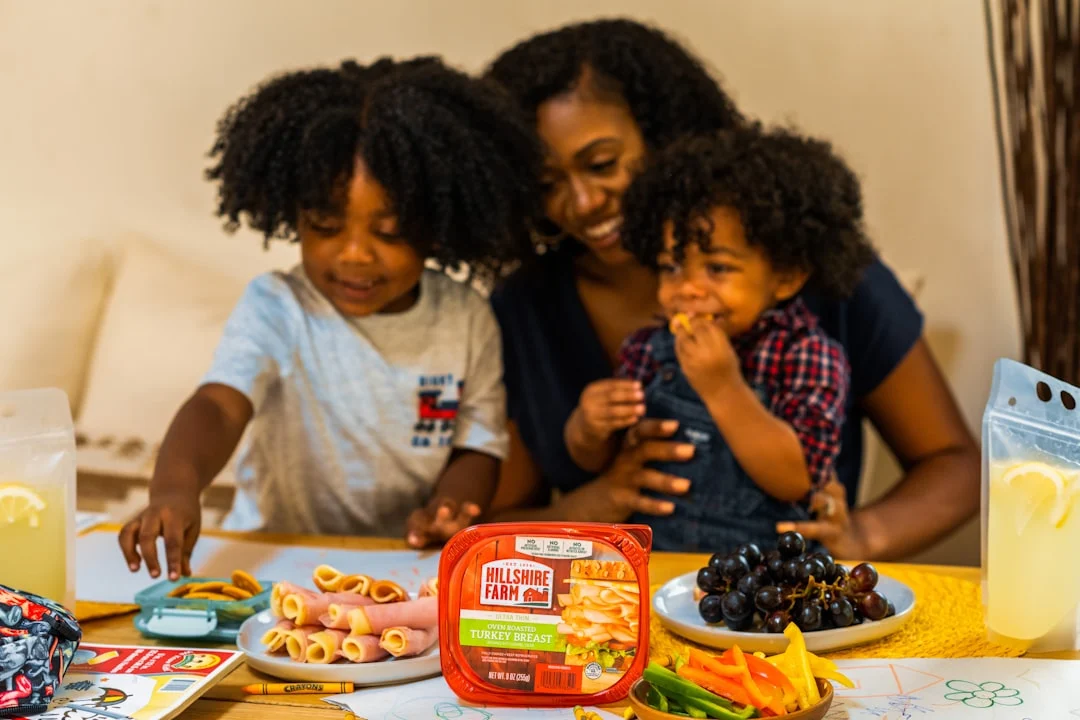
Prep once, reuse all week
Here’s what helps me remember: pick one starch, one protein, one fruit tray, one crunchy veg, and one baked item. Think rice, shredded chicken, washed strawberries, cucumber sticks, and mini muffins. That’s batch cooking for families without making Sunday feel like a second job.
The same ingredients can flex all week: chicken becomes wraps, lunchbox bites, and rice bowls. Rice works for dinner, thermos lunches, or freezer portions. Budget tight? Swap in eggs, canned beans, or frozen fruit. And if food refusal seems tied to texture or sameness, understanding child development helps explain why repetition often works better than pressure.
A sample week for real families
- Day 1: Waffles, yogurt, chicken wrap, pasta, apple slices.
- Day 2: Muffin, banana, rice bites, meatballs and rice, crackers.
- Day 3: Oatmeal, berries, quesadilla, leftovers night, cucumber sticks.
- Day 4: Toast, eggs, lunchbox cheese and fruit, soup with bread, pretzels.
- Day 5: Pancakes, pear, turkey sandwich, hard-day dinner: frozen waffles, plain meatballs, peas, muffin.
- Day 6: Cereal, fruit, pasta salad, chicken rice bowl, yogurt.
- Day 7: Bagel, cream cheese, snack plate lunch, quesadillas, popcorn.
Every meal includes at least one safe food on purpose. Research on repeated exposure in feeding, including summaries in NCBI’s child nutrition resources, suggests familiar foods can lower stress and help kids tolerate new foods nearby. The family life routines guide can help if your family meal plan keeps falling apart by Thursday.
📋 Quick Reference
- Prep 5 basics once: fruit, veg, starch, protein, baked item.
- Keep freezer backups: cooked rice, soup, quesadillas, muffins, waffles.
- Repeat meals on purpose. Familiarity reduces waste and decision fatigue.
- For practical feeding guidance, see CDC guidance on infant and toddler nutrition.
That’s the goal with simple meals for fussy eaters: less pressure, less waste, and fewer 5 p.m. decisions. Next, I’ll pull this into a quick-reference format you can actually use during a busy week.
Quick reference and next steps
If the 7-day plan helped, keep going small. The goal with simple meals for fussy eaters isn’t perfection; it’s calmer meals, steadier routines, and a little less dread by 5 p.m.
For more practical support, you can bookmark our children’s health and nutrition guide, the evidence-based parenting guide, and our guide to understanding child development when food refusal seems tied to age, sensory preferences, or control.
📋 Quick Reference
- Safe-food formula: 1 familiar carb + 1 preferred fruit/veg + 1 easy protein + dip
- Lunchbox formula: main + fruit + crunchy side + protein + “safe” backup
- 10-minute dinner formula: toast/tortilla/pasta + rotisserie chicken/eggs/beans + one no-pressure side
- Get extra support if: intake is very restricted, growth drops, meals cause pain, choking, or severe distress
What helps most this week
Save this checklist. Progress with picky eater meals kids often looks like less stress before it looks like more variety.
- Repeat foods without pressure
- Use hidden veggie recipes for picky eaters kids sometimes, not always
- Keep visible vegetables on the table too
- Choose cookbook help only if it’s simple, visual, and flexible
Research on repeated exposure suggests kids often need many neutral chances to learn a food, and the CDC’s guidance on picky eaters echoes that low-pressure approach. So yes, hidden veggies can boost intake in fussy eater recipes kids, but they shouldn’t replace seeing, smelling, and touching real foods.
When meals need more support
This article is educational, not medical advice. If you’re asking, “how do I serve vegetables to a picky eater kid?” and meals also involve gagging, pain, choking, growth worries, or intense sensory distress, contact your pediatrician or a qualified feeding professional.
Family stress matters too. The National Institute of Mental Health’s information on children’s mental health is a helpful reminder that eating struggles can affect the whole home. Next steps: pick 3 safe foods, add 2 easy proteins, choose 5 lunchbox items, and plan 2 emergency dinners for the week. If you want more evidence-informed parenting and child wellness support, the FAQ is next.
Frequently Asked Questions
What are good recipes for picky eaters kids?
If you’re wondering what are good recipes for picky eaters kids, start with a simple formula: familiar foods + predictable textures + easy control. Good examples include quesadilla wedges, plain pasta with parmesan, yogurt plates with fruit and crackers, mini pancakes, turkey roll-ups, and deconstructed tacos. The best simple meals for fussy eaters are often the ones your child can recognize right away and adjust a little on their own, like choosing whether the cheese goes in the tortilla or stays on the side.

What to do with a picky eater toddler who only wants the same foods?
If you’re asking what to do with a picky eater toddler, first know this: repetition is very common in toddlerhood, and many little kids feel safest eating the same few foods for a while. A helpful approach is to serve one familiar food with a tiny amount of a new or less preferred food, then keep the tone neutral and low-pressure. If the safe-food list is getting extremely short, meals involve distress or gagging, or you’re worried about growth, it’s a good idea to check in with your pediatrician and browse a broader children’s health and nutrition guide for practical next steps.
Why is my child a picky eater?
If you’ve been asking why is my child a picky eater, the answer is usually a mix of normal development and individual temperament. Kids may be cautious about new foods, sensitive to texture, smell, or color, or upset when foods touch because predictability helps them feel safe. For many families, learning more about understanding child development makes picky eating feel less mysterious, but if eating is very limited, painful, or tied to strong anxiety, it may need a more thorough evaluation.
How do I get my picky eater to try new foods?
If you’re asking how do i get my picky eater to try new foods, think exposure instead of pressure. Offer tiny portions, repeat them calmly over time, and invite your child to help shop, wash produce, stir, or plate food so it feels more familiar before it reaches the table. But wait — bribing with dessert, forcing bites, or turning dinner into a showdown usually backfires, and guidance from the American Academy of Pediatrics’ HealthyChildren.org also supports a calm, no-pressure feeding approach.
What are easy dinners for picky eater kids?
If you need what are easy dinners for picky eater kids, keep it fast and flexible: deconstructed tacos, buttered noodles with chicken, baked potatoes with toppings on the side, quesadillas, and snack plates all work well. Aim for 5-ingredient meals or 10-minute dinners when you can, especially on busy school nights. And here’s the kicker — deconstructed family meals often save time because you’re making one dinner, just serving the parts separately, which is why they fit so well into simple meals for fussy eaters.
What lunches can I pack for a picky eater kid?
If you’re wondering what lunches can i pack for a picky eater kid, simple lunchboxes usually beat complicated ones. Try separated compartments with crackers, cheese, fruit, plain pasta, turkey roll-ups, cucumber slices, or mini muffins, and remember that cold, familiar foods are often easier than mixed or heavily seasoned lunches. Keep portions realistic too, because short school lunch periods and busy cafeterias can make even favorite foods hard to finish.
What foods are best for kids who hate mixed textures?
If you’re asking what foods are best for kids who hate mixed textures, start with separated foods and straightforward textures your child can predict. Good options include crunchy finger foods, plain starches, fruit slices, cheese cubes, eggs, toast, rice, and simple proteins, with dips or sauces on the side instead of poured over everything. For lots of kids, texture comfort matters just as much as flavor, so divided plates can make simple meals for fussy eaters feel much more manageable.
How do I meal plan for a picky eater child?
If you’re trying to figure out how do i meal plan for a picky eater child, use a repeatable weekly structure instead of reinventing dinner every night. Pick a few safe foods, one or two proteins, easy produce, and a couple of backup freezer meals, then prep basics like pasta, rice, chopped fruit, or cooked chicken once and reuse them in different forms through the week. The sweet spot is a plan that’s flexible but repetitive enough to lower stress, cut food waste, and make mealtimes feel more predictable for everyone.
Conclusion
Here’s the big picture: start with one “safe” food your child usually accepts, pair it with one familiar side and one low-pressure new food, keep portions small, and stick to a simple meal rhythm instead of making a separate menu every night. That’s what makes simple meals for fussy eaters feel doable in real life. And don’t forget the practical wins that matter most: repeat a few easy breakfasts and lunches, use a 7-day plan to cut decision fatigue, and focus on steady exposure rather than getting your child to “just take one bite.”
For many families, progress may look slow until suddenly it doesn’t. One week they ignore the toast with egg. A month later, they nibble it without a fuss. That counts. You’re not trying to create perfect eaters by Friday — you’re building calmer routines, less stress at the table, and a little more confidence for everyone involved. Worth it? Absolutely.
If you want more practical support, start with our children’s health and nutrition guide for broader meal ideas, then explore our family life routines guide for easier weekly planning, and our gentle parenting in real life article for pressure-free ways to handle food refusal. Take one idea from this article, try it this week, and make mealtimes just a little easier — that’s how lasting change starts.


